Soccer Boarding Schools For Student-Athletes: Football Training, Academics, Costs, And Player Pathways
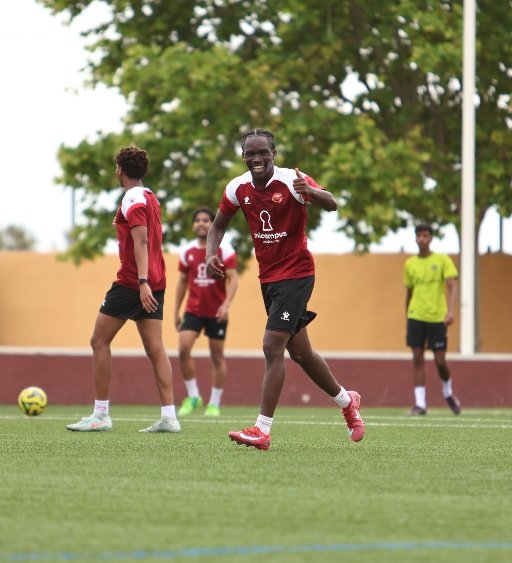
Choosing a soccer boarding school is a big decision.
It’s not the same as joining a local team after school, and it’s also different from going to a regular boarding school with a football team.
A good football boarding school gives players a structured place to live, train, study, recover, and grow. For many families, this structure is the main reason they pick it.
At Murcia Football Academy, we see that the first two weeks matter most for new international players. Some come with strong technical skills but find it hard to manage sleep, punctuality, nutrition, or independence. That’s why we focus on more than just training. We also help players get used to a daily routine that includes breakfast, transport, training, recovery, study time, meals, evening sessions, and rest.
This guide explains how soccer boarding schools work, what parents should look for, and how to compare training, academics, costs, facilities, admissions, and player pathways before deciding.
Plyometrics For Football: Soccer Exercises To Build Speed, Power, And Agility

A footballer can be strong in the gym but still feel slow on the field. This usually happens when strength does not lead to quick movement. You might squat heavy weights, but can you sprint, jump for a header, stop quickly, change direction, and keep moving?
This is where plyometric exercises for football make a difference.
Plyometric training helps players produce force quickly, absorb impact, and move again right away. In our academy sessions, we begin by watching how each player lands after a jump. If a landing is loud, unsteady, or the knee turns inward, we reduce the intensity and work on snap-down landings, low box jumps, and controlled lateral stick landings. This often happens with young players who are strong but still learning to absorb force safely.
Is One To One Football Coaching Worth It? How Private Soccer Training Helps Players Improve?
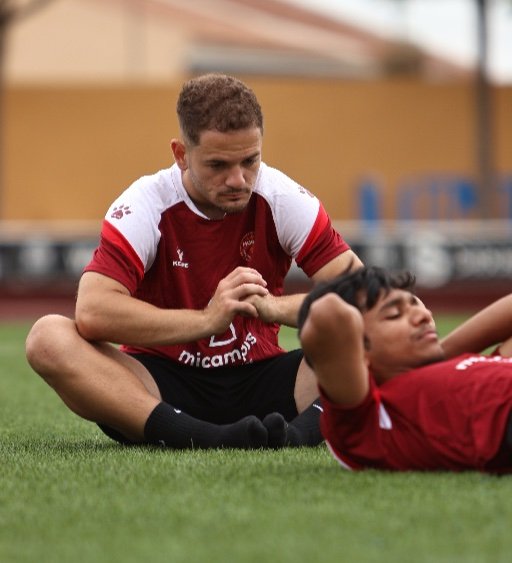
One-to-one football coaching works best when players set clear goals, train with a qualified coach, and practice skills that apply to real matches.
A good private session is more than an hour of drills and shooting. It should help players understand what they need to improve, why it matters in games, and how to keep working on those skills afterward.
At Murcia Football Academy, we’ve noticed that the fastest-improving players aren’t the ones who do the most random training. They get useful feedback, repeat the right actions, and try those skills in real games. Private coaching helps, but it isn’t a quick fix.
Our program offers daily football development, coaching from UEFA Pro licensed staff, strength and conditioning support, match experience, and training with Spanish clubs. On our academy pages, you can see that players work with UEFA Pro coaches and receive strength and conditioning support as part of their training.
Girls Football Trials: How Soccer Players Can Prepare, Get Noticed, And Find The Right Pathway

Girls football trials can feel exciting, confusing, and sometimes a little intimidating. For many players, it’s their first real chance to get noticed by academy coaches, club scouts, or pathway staff. Parents often wonder: Is my daughter ready? Which age group should she try for? What do coaches look for? What if she isn’t selected?
The good news is that trials aren’t just about being the fastest, scoring the most goals, or playing perfectly for an hour. Coaches look at the whole player. They notice technical skills, attitude, confidence, decision-making, teamwork, coachability, and how players handle tough moments.
At Murcia Football Academy, we see this a lot with players preparing for trials in Spain. The players who stand out aren’t always the loudest or the most naturally talented. Most often, it’s those who come prepared, listen well, play with purpose, and keep trying even after making mistakes.
Football Tackling Drills: Soccer Techniques For Safer Tackles And Stronger Defensive Skills

Most missed tackles happen not because a player is weak, but because the defender moves in too fast, dives, stands upright, or tries to win the ball without control.
That’s why it’s important to practice tackling drills regularly.
A good tackle isn’t only about being aggressive. It takes timing, the right body position, balance, good footwork, controlled contact, and knowing when to hold back. In soccer, the aim is to win the ball cleanly, not to knock someone over.
At Murcia Football Academy, we believe tackling is an important skill for every player. Our players train in a structured environment with UEFA Pro licensed coaches. They receive daily training, accommodation, meals, and support, helping them build strong defensive habits at their own pace.
Football Warm Up Drills For Better Energy, Sharper Touches And Soccer Match Readiness
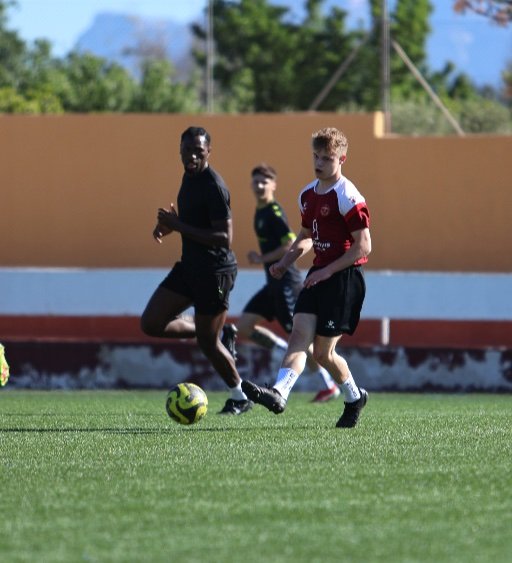
Many players think of the warm-up as just something to finish before real training starts.
They might jog a little, kick the ball once or twice, and then wonder why their first pass is off, their legs feel heavy, or their reactions are slow when drills begin.
A good warm-up is more than just a way to pass the time. It helps players feel awake, relaxed, focused, and ready to play.
At Murcia Football Academy, we see this happen often. When players warm up with focus, their first touches are better, they start talking to each other earlier, and the whole session has more energy. In this guide, we’ll share the warm-up drills we use, how to plan them, and how coaches can change them for different ages, skill levels, and training goals.
Football Conditioning Drills For Speed, Stamina And Soccer Match Fitness

When most players think of football conditioning drills, they imagine endless laps, tough shuttles, or workouts that leave them feeling exhausted. But that is not the best way to look at it. In football, the real challenge is not just about getting tired. It is about losing your speed, your ability to recover, your sharpness, and your decision-making when the game gets faster. At Murcia Football Academy, we focus on daily player development and trial opportunities. We often see that the best conditioning is the kind that still feels like playing football. Both FIFA and The FA agree that physical preparation should be specific to football and match the technical and tactical demands of the game.
We will explain which football conditioning drills really help, when straight-line running is useful, when ball-based drills work better, how to train for your position, and how to recover so your hard work shows in matches. Today, most experts save longer interval runs for preseason. During the season, training is more about short intervals, repeated sprints, sprint practice, and movements that happen in real games.
Best Football Boots For Wide Feet: Top Soccer Picks Worth Buying

Finding football boots that fit wide feet is about more than just choosing a bigger size.
A lot of players make this mistake. Their boots feel tight on the little toe, the forefoot feels squeezed, or the middle of the foot feels trapped. They buy a longer size, which seems better at first. But soon the heel slips, the toes move around, and they lose that secure feeling when sprinting or changing direction.
A good wide-fit football boot gives you space where you need it but still feels snug in the right spots. Look for room across the forefoot, flexibility through the midfoot, a comfortable break-in period, and a heel that stays secure.
At Murcia Football Academy, we pay attention to these details because our players train every week in real football conditions. Boots are more than just a style choice. They affect your comfort, confidence, turning, striking, and how your feet feel after training. The wrong boots might not stop a good player forever, but they can keep you from playing your best.
Are Metal Studs Allowed In Football? A Soccer Guide To Safe Use

Metal studs might sound straightforward in football, but things often get confusing on match day.
One player says metal studs are fine. Another thinks the referee will ban them. A parent worries they might be dangerous. A venue says they are not allowed on 3G pitches. Then someone points out that professional footballers wear them all the time.
The truth is, metal studs are allowed in football in some situations, but not everywhere.
At Murcia Football Academy, we believe picking the right boots is a key part of preparing for a match. The wrong boots can affect grip, comfort, safety, and even whether a player can take part. That’s why players need to know not just if metal studs are allowed, but also when they are the best choice.
3-4-3 Football Formation: Tactics, Roles, And Winning Soccer Strategies
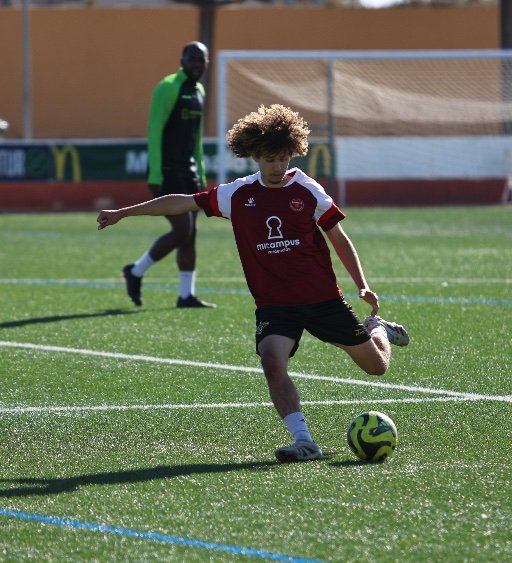
The 3-4-3 formation stands out in modern football because it provides a team with width in attack, gives the forwards room, and provides a solid defensive base all at once.
However, this is easy to misunderstand.
Many players believe the 3-4-3 just means three defenders, four midfielders, and three attackers. While that is true on paper, in a real game, it is more complex. The formation shifts when the team builds from the back, presses high, defends deep, or loses the ball during transitions.
At Murcia Football Academy, we encourage players to look past the formation diagram. Players need to understand their roles, the space around them, when to press, and what to do if the ball is lost. This is what sets apart someone who just knows the formation from someone who can really play in it.