
Key Takeaways
- Crossing drills not only enhance delivery but also develop players’ timing, movement, scanning, finishing abilities, and goalkeeper response.
- Cut-backs and low crosses are essential in contemporary football, as they provide players with increased opportunities to finish with a first touch.
- Youth crossing drills should remain straightforward. Players in U9, U10, and U12 age groups must first develop confidence, spatial awareness, and foundational skills before introducing tactical elements.
- Advanced players benefit from practicing under pressure. Incorporating drills such as crossing while running, one-versus-one scenarios, defending chases, and authentic match rules increases training realism.
- Effective striker movement is crucial for successful session outcomes. A well-executed cross is only effective if a player attacks the near post, far post, central area, or pursues the rebound.
Table of Contents
Soccer Crossing Drills
Soccer crossing drills help players improve their delivery, timing, movement, and decision-making out wide. Coaches should make sure these drills combine technical work with realistic game situations, not just unopposed crosses into the box.
Crossing drills help many positions, like wide forwards, fullbacks, wingbacks, strikers, midfielders who arrive late, goalkeepers, and defenders who need to stop crosses. So, these sessions are useful for lots of roles on the field. A good cross depends on the timing of attacking runs, the striker’s position, movement in the box, the crosser’s choices, and how the goalkeeper and defenders react.
In our training, we begin with simple repetition. Players practice the right body shape, planting their foot, making contact, using good crossing technique, and aiming for the target area. Then we add movement, finishing, defenders, and a goalkeeper. This step-by-step method matters because the best crossing routines move from basic skills to realistic crossing under pressure and finishing.
Crossing is still an important way to attack in modern soccer. FIFA’s 2022 World Cup analysis showed 45 goals from crosses, compared to 25 in 2018. The success rate for scoring from crosses also went up from 12.6% to 20%.
The main point is that wide play still matters. It just needs more careful practice. For coaches, crossing sessions help players become better crossers and let you control the number of crosses, sprints, finishes, and high-intensity actions, especially when someone is returning from injury or a break.
How Are Crossing And Shooting Drills Different From Finishing Drills?
Crossing and shooting drills mostly focus on shooting after receiving a wide pass. Finishing drills include more scenarios, such as headers, volleys, tap-ins, rebounds, cut-backs, second balls, and quick reactions inside the box.
Crossing and shooting drills in football are helpful for players who want to get better at first-time shots. These drills help improve:
- Balance before contact
- Body shape when the ball arrives
- Timing of the run
- Shot selection from different wide deliveries and cross types
One common mistake is when players wait flat-footed for the ball. In real games, finishing begins before the cross is made. The striker should move, watch the crosser’s body shape, adjust their run, and arrive at the right moment.
This is why shooting and crossing drills need to include realistic movement before taking a shot. A striker who stands still might score during practice, but it becomes much harder in a real match when a defender is marking them, the goalkeeper is moving, and the cross comes in fast.
READY TO TRAIN CROSSING IN A PROFESSIONAL SETTING?
Technical work improves faster when crossing, finishing, match feedback and coach correction are part of the same routine. If you want that structure, send us your details and we’ll explain the next steps for joining our academy in Spain.
Apply to join Murcia Football Academy
What Are The Best Football Crossing And Shooting Drills For First-Time Shots?
The best football crossing and shooting drills for first-time shots have attackers finishing from realistic wide passes without taking an extra touch.
A simple setup puts one player crossing from a wide area, a striker near the penalty spot, and another player making a late run from the edge of the box. The crosser should vary the passes, using low driven crosses, cut-backs, lofted crosses to the far post, pull-backs, and bounced balls for half-volleys.
This setup lets players practice side-foot finishes, volleys, half-volleys, and controlled shots. It also forces the shooter to adjust their body position, so they do not use the same finish every time.
The key coaching point is composure. Players need to time their runs, watch the ball, stay balanced, and focus on keeping their shots on target. A calm first-time finish into the corner is usually better than a rushed, powerful shot that misses.
FIFA’s U-17 Women’s World Cup analysis found that low cut-backs, push passes, and driven crosses into central areas led to a 24% conversion rate, compared to 10% for all goal attempts in that tournament. This matches what we see in games: low passes often lead to better first-time finishes than high, hopeful balls.
What Youth Football Crossing Drills Work Best For U9, U10, And U12 Players?
The best crossing drills for young football players are simple, fun, and help them practice basic skills. At this age, kids are learning how to use the wide areas, create space, choose when to cross, and find their teammates in the box.
For U9 players, we usually start with cone gates. One child dribbles down the wing and passes the ball on the ground through a target gate. The focus is on accuracy, timing, and building confidence, not on power.
With U10s, you can add a moving teammate. The player crossing the ball should look up, watch their teammate’s run, and pass the ball into their path. This helps young players see that crossing is not just kicking the ball into the box, but making a smart pass into a dangerous area.
For U12 players, coaches can add a goalkeeper, a defender trying to recover, or even make it a small competition. For example, give one point for a good cross and two points for a first-time finish.
With U10 and U12 players, keep crossing drills simple and focused on repetition. Use shorter distances, smaller groups, and help players build confidence before adding more tactics.
For heading, coaches should pay close attention to the players’ ages and local rules. In England, The FA is gradually removing deliberate heading in U7-U11 grassroots matches over three seasons. The rule starts with U7-U9 in 2024/25, U10 in 2025/26, and U11 in 2026/27.
CHECK THE PROGRAMME BEFORE YOU DECIDE
Some players need one month of focused development. Others need a full season with training, matches and trial opportunities. Compare the programme lengths, fees and what is included before choosing the route that fits your football plans.
View programme fees
How Can Crossing Drills And Games Make Sessions More Match-Like?
Using crossing drills and games in training makes sessions feel more like real matches, since players have to decide when crossing is the best choice.
A football session that focuses on crossing should mix repetition with realistic game situations. Repetition helps players improve their technique, while games help them make better decisions.
Here are some useful rules you can add to your games:
- If a team scores from a cross, count the goal as two points.
- Teams must involve wide players before they are allowed to score.
- A goal scored from a cut-back is worth three points.
- If the cross misses its target, defenders get a chance to start a counter-attack.
- The wide player has to decide whether to cross, dribble, or keep possession by passing back.
This approach helps players figure out when crossing is the right option and when it is not. Sometimes, the best move out wide is to wait, combine with a teammate, cut back, or switch the play.
How Should A Soccer Session For Crossing Be Structured?
A strong soccer crossing session starts with practicing good technique and then moves on to adding game-like pressure.
| Session stage | Main objective | Example setup | Coaching point |
|---|---|---|---|
| Warm-up | Prepare passing and movement | Passing patterns into wide zones | Open body before receiving |
| Technical crossing | Improve delivery | Unopposed crosses from both wings | Look up before the cross |
| Crossing and finishing | Connect delivery with runs | Near-post, far-post and cut-back finishes | Attack space, not defenders |
| Opposed practice | Add pressure | 2v1 or 3v2 wide overload | Choose the right moment |
| Conditioned game | Make it realistic | Goals from crosses count double | Quality under fatigue |
We prefer this structure because it helps players build confidence before anything else. When pressure comes in too soon, players hurry through the technique and the session can get disorganized.
What Advanced Crossing Drills Help Players Repeat Quality Deliveries?
Advanced football crossing drills help players get faster, stay calm under pressure, and make smarter choices on the field.
One useful drill is continuous crossing. Two wide players take turns sending in crosses, and strikers vary their runs. After each cross, the ball is quickly played in from the opposite side.
This drill trains players to deliver accurate crosses even when they are tired. It also shows who can keep their technique solid when fatigued.
Advanced players should work on several types of crossing situations:
- Crossing after getting past a defender one-on-one
- Crossing after an overlap
- Crossing after an underlap
- Making a first-time cross right after switching the play
- Crossing while running at top speed after a sprint
- Cutting the ball back after reaching the end line
UEFA’s technical observers noted that 138 goals, or 37.7%, in the 2021/22 Europa League came from crosses. They said attacking wing play is one of the best ways to score.
How Can Wing Play Create Better Crossing Opportunities?
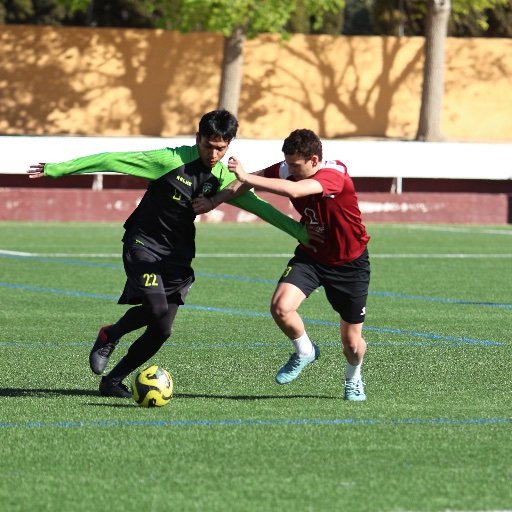
Playing down the wings can lead to better crossing opportunities because it pulls defenders out wide and opens up space in the penalty area.
Wide players like wingers, fullbacks, wingbacks, and wide receivers play a key role here. When a team uses the wings, defenders are forced to shift sideways, which can create gaps between centre-backs, fullbacks, and midfielders.
Some examples of smart movement out wide are:
- 1v1 dribbling to beat the fullback
- Overlaps from fullbacks
- Underlaps into the half-space
- Runs behind the defensive line
- Third-man combinations
In training, we tell wide players not to cross just because they are out wide. They should look up first and check: Where is the striker? Where is the goalkeeper? Is a defender blocking a low cross? Is the far post open?
A good cross starts with a clear understanding of what’s happening on the field.
How Can Return-To-Play Wingers Rebuild Crossing Sharpness?
Wingers coming back from injury need to gradually build up how much crossing they do. Crossing is not just about technique. It also involves sprinting, slowing down, planting the foot, rotating the hips, and striking the ball repeatedly. After an injury, how much crossing a player does is important.
Dividing winger crossing sessions into stages helps reduce the risk of injury because players avoid going straight to full-speed crosses. We start with stationary passes and short, low-intensity crosses. Then, we move to controlled crosses without sprinting. After that, the player can try crossing after a light jog, then after a faster run, then with passive pressure, and finally at full speed with defenders.
This gradual approach helps coaches and medical staff check how the player is coping before increasing the difficulty. It is important to look for signs of fatigue, groin stress, hip rotation problems, and the total number of kicks, especially for wingers who cross a lot in training and matches.
A clinical commentary in PubMed recommended using interval kicking progressions for players returning from lower-body injuries, with a gradual increase in kicking load and impact. Another study in professional football found that kicking load depends on the player’s position and is best measured by speed. This shows that return-to-play plans should be made for each player individually.
Coaches and medical staff need to guide the return-to-play crossing process and take their time. The aim is to help the player regain confidence, improve crossing skills, and reach match intensity step by step.
How Should Strikers Attack Crosses Inside The Box?
Crossing drills are most effective when strikers keep moving. If a striker stays in one spot, it is much harder for the crosser to send in a good pass.
Striker training should teach forwards to attack open space instead of waiting for the ball.
Here are the main types of runs:
- Near-post run
- Far-post run
- Central run between defenders
- Delayed run for the cut-back
- Rebound run after the first shot
Strikers should pay attention to the crosser’s body position. If the crosser is near the byline, a cut-back is likely. When the crosser looks up, the far post might be open. If a defender blocks the front, the striker needs to change their run.
Good strikers do not guess. They watch what is happening on the field and react to it.
WANT YOUR WIDE PLAY TO SHOW IN TRIALS?
A good cross matters more when scouts see it under pressure. This guide explains how players can prepare for Spanish club opportunities, present themselves properly and understand what happens once they arrive.
Read the trials guide
How Can A Striker Be The Fox In The Box From Crosses?
The goal of the “be the fox in the box” drill is to help players react quickly to loose balls, deflections, and second chances.
A fox-in-the-box striker stands out for three main skills:
- Finding small gaps between defenders
- Reading and reacting to rebounds from the goalkeeper
- Finishing quickly before defenders have a chance to block the shot
In training, try adding a second ball after the first shot. The coach or goalkeeper sends a ball into the six-yard box, and the striker needs to react fast. This drill helps players become more alert and improve their technique.
How Should Players Attack High Balls In The Box?
To win high balls in the box, players need good timing, strong body position, and the confidence to challenge for the ball. Moving early, reading the cross, and meeting the ball at its highest point are key, rather than waiting for it to drop.
To head the ball well, players need to keep their eyes on the ball, use their arms for balance, and make contact with their forehead. When running onto a cross, jumping off one foot gives more power. If standing still, jumping off both feet helps with balance and challenging for the ball.
One common mistake is standing still under the cross, which often leads to weak headers and gives defenders an advantage. Good attackers move early, find space, and attack the ball confidently.
For younger players, heading should be introduced gradually and only when allowed by their age group’s rules. Coaches should use soft passes, limit the number of headers, and focus on safe technique before adding power. The aim is to build timing, good body shape, and confidence without rushing.
What is the main area you want to improve in your crossing sessions?
What level of pressure do you need in the session?
Solution:
Start with unopposed crossing from both wings, focusing on body shape, planting foot, looking up before delivery, and aiming for target zones. Use cone gates, mannequins, or passive targets before adding finishers. This is best for players who need cleaner technique before moving into match pressure.
Solution:
Use progressive crossing under pressure: mannequin or cone, defender jogging behind, chasing defender from two metres back, passive 1v1, active 1v1, then small-sided games. Judge the player on decision-making, not only whether the cross reaches a teammate.
What level of pressure do you need in the session?
Solution:
Use crossing and finishing patterns with near-post runs, far-post runs, central runs, delayed cut-backs, and rebound finishes. Keep the first phase simple so strikers learn to attack space, time their runs, and finish first time without waiting flat-footed.
Solution:
Build a conditioned crossing game where goals from crosses count double and goals from cut-backs count triple. Add a goalkeeper, recovering defenders, second balls, and counter-attacks if the cross misses. This is best for players who need to finish under realistic match pressure.
How Can Players Improve Crossing On The Run Under Match Pressure?
Crossing the ball while running is harder than doing it from a stop. You have to control your speed, keep your balance, and time your kick well.
When you cross the ball, you have to make quick choices:
- Cross early
- Drive to the byline
- Cut the ball back
- Beat the defender 1v1
- Recycle possession
Work on crossing from both sides of the field and with both feet. If you’re right-footed and playing on the right wing, you might cross earlier. On the left wing, you may cut inside or look for another type of pass.
Once you can cross the ball well, add defenders to your practice. Start with someone chasing you, then try going against a passive fullback, and finally work up to a real one-on-one challenge.
How Can Coaches Add Pressure Without Ruining Technique?
Pressure should progress gradually in football crossing drills. We do not usually move from free crossing straight into full 1v1 defending, because if the defender is too aggressive too early, the crosser stops learning and only tries to survive.
A good progression is to start with a mannequin or cone, then add a passive defender, then a chasing defender starting a few metres behind the crosser, before moving into passive 1v1 defending, active 1v1 defending and finally a small-sided game situation.
Chasing defenders are useful because they create match pressure without overcrowding the drill. The crosser has to act faster, look up earlier and choose the right type of delivery, but still has enough space to execute the technique properly.
Coaches can adjust the challenge by changing the space, reducing or increasing the time before the defender arrives, or changing the defender’s starting position from behind, inside or level with the crosser. Players should also be judged on decision-making, not only on whether the cross reaches a teammate. Sometimes the right decision is a cut-back, sometimes it is a driven cross, and sometimes it is better to recycle the ball.
At Murcia Football Academy, our experienced and certified coaches use these progressions to develop the full player: crossing technique, confidence, decision-making, game understanding and long-term career development habits.
How Should Goalkeepers Deal With Crosses In Training?
Crossing drills help goalkeepers learn to read incoming balls, claim crosses, punch under pressure, and organize defenders. Including the goalkeeper in these drills is important because crosses affect both attacking and defending, not just the player delivering the cross.
A goalkeeper has to decide whether to claim a cross, punch it away, stay on the line, go for the ball, or organize defenders near the six-yard box and far post. Making the right choice depends on good positioning, clear communication, timing, and decision-making.
Coaches should help goalkeepers practice dealing with different types of crosses, such as high balls, driven crosses, low cut-backs, far-post deliveries, and second balls. The goalkeeper’s starting position should change depending on the type of cross, the pressure on the crosser, and how attackers move in the box.
Communication is also important. When the goalkeeper calls out loudly and early, defenders know what to do. If the call is late or unclear, it can lead to hesitation in the box.
BUILD THE FITNESS BEHIND BETTER CROSSING
Crossing quality drops when legs are tired. This guide covers the strength, speed and conditioning work that helps players repeat sprints, recover faster and stay sharper late in training or matches.
Read the soccer workout plan