


Key Takeaways
- If your feet are wide, try to find football boots that have a roomy front, adjustable laces, a soft or flexible upper, and solid heel support.
- Good boots to start with include the Nike Phantom 6, PUMA Future 9 Ultimate, New Balance 442, Adidas Copa Pure IV, and Mizuno Morelia.
- Don’t pick a longer boot just to get more width unless you really need the extra length. Boots that are too long can cause your heel to slip, give you blisters, and make it harder to control the ball.
- Leather boots are usually a good pick for wide feet because they shape themselves to your foot. Some modern knit and synthetic boots can also feel comfortable if they fit well.
- The type of field matters. A boot that’s great for firm ground might not work as well on artificial grass, soft ground, or turf.
Table of Contents
Best Football Boots For Wide Feet
The best football boots for wide feet combine comfort, a secure fit, good ball feel, reliable grip, and value.
A wide fit alone is not enough. Some boots are spacious at the front but loose at the heel. Others have a soft upper but a narrow base. Players with wide feet should look at the boot’s overall shape, not just the brand.
Here are some of the top options available right now:
| Boot | Best For | Why It Works For Wide Feet | Watch Out For |
|---|---|---|---|
| Nike Phantom 6 | Best Nike option | Nike describes the Phantom frame as having plenty of toe-box volume, which helps wide forefeet. | Still test the collar and midfoot pressure. |
| PUMA Future 9 Ultimate | Flexible modern fit | PUMA lists it as regular to wide fit, with a FUZIONFIT upper that adapts around the foot. | Not every Puma boot fits the same. |
| New Balance 442 | Safest all-rounder | New Balance offers 442 models in wide widths, including Men Wide 2E. | Larger wide sizes may sell out quickly. |
| adidas Copa Pure IV | Comfort and touch | Copa boots are built around touch, leather feel, and adjustable fit in lace-up versions. | Laceless models may be less forgiving. |
| Mizuno Morelia | Premium leather comfort | Mizuno’s K-leather models are known for a soft, secure, natural feel. | Usually more expensive. |
Nike’s Phantom line now features more room in the toe box, which is helpful for comfort. PUMA’s Future 9 Ultimate stands out too, since it comes in both regular and wide fits and its upper adjusts to your foot. New Balance makes things even simpler by offering wide-width options in its 442 range.
In the following sections, you’ll find tips to help you pick the right option for your foot shape, the surface you play on, and your preferred material.
What Should Players With Big Or Large Feet Know Before Buying Football Boots?
Players with big feet often have to think about both length and width when choosing boots. That’s why boots for big feet, large feet, and wide feet are not always the same.
If you wear a bigger size and have a wide forefoot, you need to pay attention. Not all bigger sizes get wider in the right way. Some boots just get longer, but the front still feels tight. This can cause pressure in the front of the boot, even if the length fits.
That’s why it’s usually a mistake to buy a longer boot just to fix a width problem. If the boot is too long, your heel might slip, your first touch may not feel as sharp, and your foot can slide forward when you stop or change direction.
To start, brands like New Balance, Mizuno, and some PUMA models are often good choices for players with bigger, wider feet. New Balance is a top pick because some 442 models come in wide widths. Mizuno is great if you want a softer, more natural fit, and PUMA Future models work well because the upper feels more flexible.
It’s also important to think about stock. Larger wide sizes often sell out quickly because brands make fewer pairs in those less common combinations. If you know you need a wide fit, try to shop early instead of waiting until right before the season starts.
A simple rule is that your toes shouldn’t touch the end, and your heel should stay in place. Look for a snug fit that feels comfortable, not painful.
READY TO TRAIN WITH A FULL ACADEMY SETUP?
The right boots help, but your daily environment matters more. At Murcia Football Academy, we help players train, compete, and prepare with structure, coaching, facilities, and real football standards.
Join Murcia Football Academy
What Football Boots Width Fittings And Constructions Should You Look For?
If you have wide feet, the way a boot is made matters just as much as its size. When shopping for football boots, look beyond just the upper material and consider how the whole boot is put together.
Boots that work well for wide feet often share these features:
- A floating tongue, so the boot opens properly
- A U-throat lacing system, so you can adjust pressure across the midfoot
- A rounded last and toe shape, instead of a sharp, narrow front
- A soleplate that is not too narrow under the forefoot
- An upper that feels adaptive without making the heel loose
A good example is the New Balance 442 Pro FG V3. It uses a classic U-throat and a floating tongue, which let players adjust the fit and manage pressure across the foot.
Watch out for boots with one-piece uppers, no laces, or strong internal cages. These styles may look modern, but they often make it harder to get a good fit. Even if the upper feels soft, the boot can still feel tight if the shape, structure, or soleplate is narrow or stiff.
That’s why some speed boots still feel tight on wide feet. A soft upper doesn’t always mean the boot will fit well. Sometimes a boot feels flexible in your hands, but it can still be narrow in the forefoot when you put it on.
Before you buy, ask yourself these questions:
- Can I open the boot properly?
- Can I loosen the forefoot without losing midfoot support?
- Can I keep the heel secure without creating pressure elsewhere?
- Does the overall shape look rounded and accommodating rather than sharp and tapered?
If you answer no to most of these, the boot probably isn’t a good choice for wide feet.
Which overall boot feel sounds closer to what you want for your wide feet?
What matters more once the fit feels right?
Solution:
Choose the Mizuno Morelia. It is one of the best comfort-first options for wide feet because the soft leather gives a natural feel and an easier break-in.
Solution:
Choose the New Balance 442. It is the safest all-rounder for wide feet, with classic laces, a roomy shape, and wide-width availability in some versions.
What matters more once the fit feels right?
Solution:
Choose the PUMA Future 9 Ultimate. Its adaptive upper and regular-to-wide fit make it a strong modern option if you want flexibility without too much pressure.
Solution:
Choose the Nike Phantom 6. It is one of the better Nike options for wide feet because it offers more toe-box room than tighter speed boots while still feeling secure.
What Football Boots Are Best For Wide Feet If You Want An All-Rounder?
If you’re looking for football boots for wide feet, your best bet is usually a pair that feels comfortable, has a soft upper, and keeps your heel secure without being made just for one position. Most players with wide feet don’t need the widest boot out there. Instead, it’s about finding something that feels right during training, stays secure in games, and works well no matter where you play.
Many players find the New Balance 442 to be a safe all-round choice. It has a simple laced design, comes in wide sizes, and has a classic shape that feels roomy but not loose. This is important because a good boot should give your forefoot enough space while keeping your heel in place.
If you want a more modern boot, the PUMA Future 9 Ultimate is a great option. It’s more flexible and adapts better than many narrow speed boots, so it’s a good pick if you want your upper to feel free but still need some support.
The Nike Phantom 6 is a good Nike choice for players with wide feet who still want a modern feel. It’s less tight than the Mercurial and works better as an all-round boot for wider feet.
The material of your boots matters too. Leather is softer, breaks in naturally, and feels more forgiving as you wear it. Knit or synthetic boots are lighter and feel more modern, with a closer fit. For most players, the best everyday boot is the one that stays comfortable through a whole training session, not just the one that looks the fastest.
What Is The Best Soccer Boot For Wide Feet If Comfort Matters Most?
If you have wide feet and want comfortable football boots, choose ones that feel good right away and do not pinch your toes. The Mizuno Morelia, adidas Copa, and New Balance 442 are all good choices for comfort.
These boots are popular because they have a roomy shape, feel soft, and do not press too much on the front of your foot. The Morelia stands out for its soft leather, the Copa for its feel and adjustable laces, and the 442 for its classic shape and reliable comfort.
Before using new boots in a full match, test them with your match socks. Try a few short sprints, stops, and turns. Notice how your little toe, arch, heel, and the top of your foot feel. If you feel pain after ten minutes, those boots are not right for you.
Which Boot Brands Are Good For Wide Feet?
When players ask which football boots work best for wide feet, we explain that it really depends on your foot shape. Some brands tend to be more comfortable, but factors like a broad forefoot, wide midfoot, high instep, or narrow heel all play a role in finding the right fit.
If your feet are wide, New Balance, Mizuno, and PUMA are usually good brands to start with. New Balance is a strong choice because some of their boots come in true wide sizes, so you get extra room. Mizuno is ideal if you want soft leather and comfort from the first wear. PUMA is a good pick if you like a modern boot that still feels flexible. Nike and adidas can also work, but you’ll need to pay closer attention to sizing. For Nike, the Phantom and Tiempo lines usually fit wide feet better than the Mercurial. For Adidas, the Copa is more comfortable for wide feet than tighter, speed-focused models like the F50.
That’s why it’s important not to pick football boots just because of the brand name. The best choice for wide feet depends on how the boot fits your foot shape, not the logo. At Murcia Football Academy, we help our players find the right gear for top performance, including boots that really support their training and playing style. Next, we’ll look at each main brand to show which lines work well for wide feet and which ones need more careful sizing.
WANT TO COMPARE ACADEMY COSTS BEFORE APPLYING?
Before choosing a football academy in Spain, check what is actually included. Our pricing page explains the programme options clearly so players and families can compare properly.
View Murcia Football Academy pricing
Are Puma Football Boots Good For Wide Feet And Which Puma Models Are Best?
Puma football boots can work well for wide feet, but not every model fits the same way. If you want a wide fit, it’s best to start with the PUMA Future line instead of expecting all Puma boots to feel alike.
Puma is popular with players who have wide feet because some models use flexible uppers and are not as narrow as many speed boots. The PUMA Future 9 Ultimate is a good example, with its FUZIONFIT upper that feels more adaptive. Puma even describes it as a regular to wide fit, making it a strong choice for wide-footed players.
If you play for speed, the PUMA Ultra might work if your feet are only a little wide, but it’s usually not the best for very broad feet. For comfort, the Future and some King models are safer picks. If you’re on a budget, lower-tier Future boots are still worth a look, though they may use stiffer materials and feel different from the top version.
The main thing to remember is that Puma does offer wide fit boots, but choosing the right model is important. If your feet are truly wide, start with the Future line. The Ultra usually needs more careful sizing.
Do Nike Do Wide Fit Football Boots And Is Nike Mercurial For Wide Feet?
Nike doesn’t make wide-fit football boots as clearly as brands like New Balance. Many people ask if Nike has wide-fit options. The truth is, Nike does have some boots that work better for wide feet, but not every model is a good fit for a broad forefoot.
If you have wide feet, your best bets from Nike are usually the Phantom 6 and sometimes the Tiempo. The Phantom is a good choice because Nike says its newer design has more space in the toe box, which helps if you need extra room at the front. The Tiempo is also a good option if you like a softer boot with a focus on touch.
The Nike Mercurial is usually tougher for wide feet. If you’re wondering if Mercurials work for wide feet, the answer is that they might fit if your feet are only a little wide, but they’re not great for truly broad feet. Since they’re made for speed, they tend to feel tighter and less forgiving.
Here’s a simple rule: pick the Phantom if you want more space in the toe box, better comfort, and less pressure on your little toe. Go for the Mercurial only if your feet are just a bit wide and you like a tighter, speed-focused fit.
Which Adidas Soccer Boots Are For Wide Feet And Are Predators Or F50 Too Narrow?
If you’re looking at Adidas boots, it’s a good idea to start with the Copa line.
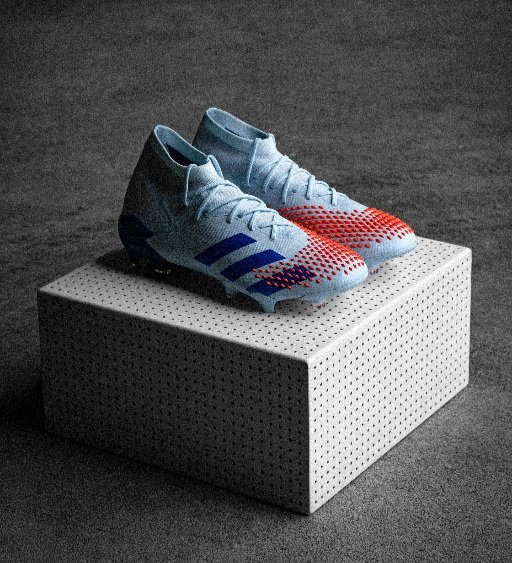
The Copa line is often the best Adidas football boot for wide feet. It’s designed for better touch, comfort, and feel. adidas also offers Copa boots with laces, so you can adjust the fit, which helps if your feet are wide or have more volume.
Predator boots can also work for some players with wide feet, especially if you choose a laced version. However, some Predator models might feel a bit stiff and tight when you first try them on.
The F50 is built for speed. If you have narrow or medium-width feet, it will likely feel quick and responsive. But if your feet are wide, the F50 might feel too tight across the front.
To sum up: pick Copa for comfort, go with laced Predator if you want more power and structure, and be careful with the F50 if your feet are truly wide.
Are Football Boots For Wide Flat Feet Different From Boots For Broad Feet?
Wide, flat, and broad feet can have similar fitting problems, but they are not always identical. Some players need extra space in the front of the foot, while others also need more room in the middle and better support underneath. That is why the best football boots for wide flat feet, flat wide feet, or broad feet are not always the same. Some people search for boots for fat feet, but often the real issue is a mix of forefoot width, arch shape, and heel fit.
Flat feet can change how boots fit more than many players think. When your arch flattens under your weight, your foot can spread out in the middle, making a tight boot feel even tighter. This can also make your heel slip, especially if the boot is too shallow in the middle or too loose at the back. That is why picking a longer boot for extra width usually does not help. A boot that is too long can hurt your touch, reduce traction, and make your foot slide inside when you stop or change direction.
If you need both width and stability, look for a boot with enough space in the front and middle of the foot, a stable soleplate, good laces, and a secure heel fit. The goal is not just to get more room. You want a boot that lets your foot sit naturally, without squeezing your little toe, letting your arch collapse, or feeling loose at the heel.
NOT SURE HOW FOOTBALL TRIALS WORK IN SPAIN?
Good boots can make training more comfortable, but trials require preparation, match sharpness, and the right pathway. Our trials guide explains how players can train and be seen by clubs in Spain.
Learn about football trials in Spain
Are Leather Football Boots Better For Wide Feet Than Synthetic Pairs?
A lot of players choose leather football boots for wide feet because leather softens, stretches slightly, and molds to the foot better than stiffer materials. That’s why boots like the Mizuno Morelia and adidas Copa are often suggested for wide feet.
But leather is not always the right choice for everyone. If the soleplate or shape of the boot is too narrow, changing the upper material will not solve the problem. The material helps most when the boot already matches your foot shape.
Knit boots are another good choice for wide feet because modern knit uppers usually feel flexible from the start and put less pressure on your foot. Don’t rule out synthetic boots, either. Some synthetic models fit well if they have a wider shape, extra space in the toe box, or a softer design, like the PUMA Future or the roomier Nike Phantom.
Here’s a simple rule: choose leather for the easiest break-in, knit for instant flexibility, and synthetic if you want a lighter, more structured boot. If two boots fit you equally well, the material might matter more than the brand.
What Are The Best Football Boots For Wide Feet On Firm Ground, Soft Ground, AG, And Turf?
The best football boots for wide feet depend on the type of surface you play on.
A boot might feel comfortable on grass but hurt on artificial turf. This is because the outsole affects stud pressure, traction, and how much the boot bends under your foot.
A stiff soleplate can make a boot feel tight, even if the upper is roomy. This is important on artificial surfaces because traction and rotation affect how the boot moves when you turn. A PubMed-indexed study on football boot outsole design found that different outsoles change traction, so it’s important to match your boots to the surface, not just your foot shape.
For firm ground, try FG versions of the New Balance 442, Nike Phantom 6, PUMA Future 9, Adidas Copa, or Mizuno Morelia.
For soft ground, use SG boots only on wet natural grass. Never wear SG studs on artificial turf.
For artificial grass, pick boots made for AG surfaces. FIFA says third-generation artificial turf is durable and can withstand heavy use if well maintained, but not every outsole works for it.
For turf or astro, TF boots are usually more comfortable because their small rubber lugs spread pressure evenly. They work especially well on older, harder artificial surfaces.
The FA’s 3G pitch register shows why surface rules are important. Approved 3G pitches must meet standards, and expired pitches cannot be used for FA-affiliated football, even if they were listed before. This reminds us that not all artificial pitches are the same.
Safety is important too. IFAB’s Law 4 says player equipment must not be dangerous, so always make sure your boots and the surface are a safe match before thinking about style.
PLAYING OFTEN ON ARTIFICIAL TURF?
Wide boots still need the right soleplate. If you train on turf or artificial grass, our turf football shoes guide explains when to choose TF, AG, or another safer option.
Read our turf football shoes guide