


Key Takeaways
- Most of the time, you can wear metal studs on natural grass, especially when the field is soft, wet, or muddy.
- But referees might not let you use them if the studs are sharp, damaged, unsafe, or not suitable for the match.
- Metal studs usually aren’t allowed on 3G or 4G pitches, artificial grass, indoor fields, or commercial five-a-side venues because they can be unsafe or damage the playing surface.
- Kids and young players should always check the rules for their league, club, and venue, since there isn’t a specific age when metal studs are allowed everywhere.
- The safest choice is to pick boots that match the surface. Use firm ground boots for dry grass, soft ground boots for wet grass, artificial ground boots for 3G or 4G pitches, and indoor shoes for indoor courts.
Table of Contents
Are Metal Studs Allowed In Football?
Metal studs are generally allowed in football, especially on natural grass fields when the ground is soft, wet, or muddy. However, they are not always permitted in every match or at every location.
Whether metal studs are allowed in football or soccer depends on the referee’s inspection, local rules, venue policy, the type of field, and the condition of the studs. Players can often use metal studs, but they might not always be approved on match day.
It’s important to remember that what the rules allow and what is actually permitted can be different. Even if a boot is allowed in theory, it can be rejected if the studs are sharp, loose, worn down, damaged, or unsafe.
For example, screw-in metal studs might be allowed on a wet natural grass field but not on artificial turf. One player’s metal studs might pass inspection, while another player’s could be rejected.
So, are metal studs allowed in football or soccer? In general, yes. In practice, though, they are only allowed if they are safe, suitable for the field, and the referee approves them for that specific match.
Why Are Metal Studs Banned In Some Places?
Metal studs are often banned to keep players safe, protect the playing surface, or meet venue rules. However, there is no single rule that bans all metal studs everywhere.
Metal studs are useful on soft natural grass because they help players get a better grip. But on artificial turf, 3G or 4G pitches, indoor courts, or hard surfaces, they can cause problems. Sharp, worn, loose, or damaged studs make tackles riskier, and some metal studs can damage synthetic surfaces.
This is why many venues have their own rules about footwear. A boot that is fine for regular football might still be turned down by a venue or competition because of the surface or the condition of the studs.
For similar reasons, some grassroots leagues, indoor venues, and commercial pitch operators have stricter footwear rules than regular outdoor football. These rules help reduce injuries, protect the pitch, and keep the game safe.
This is often where players get confused. A boot might be allowed by the general Laws of the Game but still not allowed at a certain venue. This does not mean all metal studs are banned everywhere. Most of the time, the decision is based on safety, protecting the surface, and local rules.
What surface do you play on most often?
What are the conditions usually like?
Solution:
Use soft ground boots with safe, rounded screw-in studs if your league, venue, and referee allow them. This is the situation where metal studs are most commonly accepted and most useful for grip.
Solution:
Use firm ground boots with moulded studs. They are usually the better choice on drier natural grass and reduce the risk of using overly aggressive traction.
What are the conditions usually like?
Solution:
Even if conditions feel slippery, avoid metal studs on artificial or indoor surfaces unless the venue specifically allows them. Choose AG boots, short moulded studs, or approved turf footwear instead.
Solution:
Do not use metal studs. Choose AG boots for 3G or 4G pitches, indoor shoes for indoor courts, or turf trainers for older astro surfaces based on the venue rules.
Can You Wear Metal Studs In Grassroots Football?
In grassroots football, metal studs are usually allowed on natural grass, especially in winter or when the field is muddy. Still, it’s important to check the local rules before playing.
Soft ground boots with screw-in metal studs are popular in grassroots games because fields often become wet and slippery. These boots help players stay balanced when running, tackling, or kicking the ball.
However, the rules can vary depending on the competition, the type of pitch, and the decisions of the referee or organiser. For example, a Sunday league game on grass, a youth match on 3G, and a five-a-side at a commercial venue might all have different footwear rules.
Before match day, players should check the following:
- If the game is on natural grass, 3G, 4G, astro turf, or indoors
- If the league or organizer has any rules about footwear
- If the venue bans metal studs or blades
- If your studs are rounded, secure, and not sharp
- If the referee checks the boots before the game starts
A good rule to follow is to never assume metal studs are allowed just because you saw other players wear them at a different club or venue.
What Stud Types Should Players Know About?
Many players look at the brand or upper material first, but we’ve noticed that the stud setup often matters most for performance, comfort, and how well the boots work on the pitch. Before buying, it helps to know two main differences. Moulded and screw-in describe how the studs attach to the soleplate. Conical and bladed refer to the shape of the studs. The way studs are made affects which surfaces they suit and how much they flex, while the shape changes your grip, how easily you can turn, and how natural the boots feel when you move.
Moulded studs are fixed to the soleplate and usually work best on firm ground and many artificial pitches. Screw-in studs can be taken off and are mostly used on soft ground boots for wet or muddy grass. When players talk about metal studs, they usually mean these soft-ground screw-in types, not every boot with removable parts. Bladed studs have a longer edge and can feel sharper under your foot, while conical studs are rounder and often make turning easier, which many players find more comfortable.
Once you understand the different stud types, choosing the right boots becomes much easier. Rather than relying on ads or what others wear, you can pick boots that fit the surface you play on most, the grip you prefer, how the boots feel when you move, and whether your club, league, or venue allows them.
| Stud or boot type | Best surface | Usually allowed? | Main risk if used wrongly |
|---|---|---|---|
| Firm ground boots | Dry or slightly damp natural grass | Usually yes | May slip on very muddy grass |
| Soft ground metal studs | Wet or muddy natural grass | Often yes | Can be unsafe on artificial or hard surfaces |
| Artificial ground boots | 3G and 4G pitches | Usually yes | Less useful on deep mud |
| Bladed boots | Some natural grass surfaces | Depends on rules | Often challenged on artificial turf |
| Indoor shoes | Indoor courts and futsal | Yes indoors | Not suitable for grass matches |
| Astro turf trainers | Older sand-based turf and hard outdoor surfaces | Depends on venue | Poor choice for deep grass or wet mud |
NOT SURE WHICH BOOTS TO BRING TO SPAIN?
Players often arrive with one pair of boots and later realise they need different options for grass, artificial turf, and match conditions. At Murcia Football Academy, we help players prepare properly before training and competition, so small equipment mistakes do not affect performance.
Prepare For Academy Training
What Studs Are Banned In Football?
There is no worldwide rule that bans all metal studs. Usually, football boots are only restricted if they are considered dangerous, damaged, not right for the field, or banned by certain venues or competitions. Because of this, players often ask for guidance about metal studs, blades, metal blades, and other stud types that might be restricted based on the field or competition rules.
Standard moulded studs are usually allowed if used on the right surfaces. However, referees often check sharp or worn metal studs, loose screw-in studs, exposed metal edges, metal studs on artificial fields, blades or metal blades where there are special rules, indoor shoes on wet grass, and boots with dangerous toe spikes from other sports. Referees mainly care about player safety, while venues also want to protect the field.
Research shows that stud design matters. One study listed on PubMed found links between certain sole patterns and foot or ankle overload injuries in amateur and semi-professional footballers.
This evidence does not mean that any one stud shape is always dangerous. Instead, it shows how important it is to choose your boots carefully, since the way your boots and the field interact affects movement, grip, comfort, and stress on your body. A boot might be allowed in one game but not in another, so players should always match their footwear to the field, competition, and venue rules.
Do Professional Footballers Wear Boots With Metal Studs?
Professional footballers sometimes wear boots with metal studs, but they do not use them for every game.
Professional players choose their boots depending on the pitch and the weather. If the grass is soft after rain, they might wear soft ground boots with metal studs for better grip. On firmer grass, they usually use firm ground boots. For artificial grass, they go for AG boots or other shoes made for that surface.
The main point for everyday players is not to copy what professionals wear without understanding their reasons. Pros do not always wear metal studs. They pick their boots based on the pitch, the conditions, and the rules.
This matters even more for amateur players on artificial pitches or in local leagues, where rules and venue policies can be stricter than in professional football. Professionals do not wear metal studs for style. They choose their boots for the surface, the weather, and their performance needs. Everyday players should do the same.
At Murcia Football Academy, we encourage players to focus on the small details, just like professionals. Boots, shin pads, recovery, hydration, and being on time all matter because they show you are prepared.
WANT A FOOTBALL ENVIRONMENT THAT CHECKS THE DETAILS?
Boot choice, training habits, match preparation, and recovery all matter when you are trying to progress. Our academy gives players a structured routine where coaches guide the details that often separate serious players from casual ones.
Explore Murcia Football Academy
What Regulations Govern Studs And Football Boots?
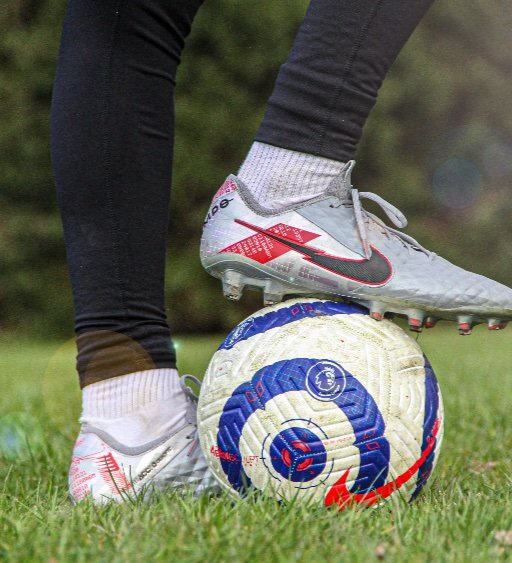
Different groups set the rules for football boots. Players’ equipment has to meet safety standards and help keep games fair. Law 4: The Players’ Equipment looks at whether any gear, including boots, might be dangerous. Before the game, referees check players and can ask them to take off anything unsafe or not allowed.
In addition to the main rules, competitions can make their own footwear guidelines, especially for youth games or certain fields. Some places have even stricter rules, such as on artificial pitches, where clubs or pitch operators might ban metal studs, blades, or other boots that could damage the surface.
Most players should remember that the main rules focus on safety, but clubs, leagues, and pitch operators can add extra rules based on the field or location. This means a boot that follows the Laws of the Game might still not be allowed at some venues.
What Does Law 4 Say About Studs?
Law 4 does not directly ban metal studs. Instead, it says players cannot wear or use anything dangerous. Before the match, players are checked, and substitutes are inspected before they enter the field. If someone is wearing dangerous or unauthorized gear, the referee will ask them to take it off.
The main issue is not whether the studs are metal or plastic. What matters is if the studs are safe, suitable, and right for the field and match conditions.
This rule lets referees reject boots they think are unsafe. Metal studs that are smooth, rounded, secure, and fit for a wet grass field might be allowed. But if the studs are sharp, loose, damaged, or used on the wrong surface, they probably will not be.
The referee does not have to prove that metal is banned. They only need to decide if the equipment is safe for that match.
Can Kids Wear Metal Studs In Soccer?
Metal studs are sometimes allowed, but this depends on the player’s age, the league’s rules, the type of pitch, and the referee’s safety check. There is no universal age when metal studs are permitted, and rules often differ between youth competitions.
Sometimes, youth players can wear metal studs on natural grass, especially if the field is wet or muddy. Still, some leagues, clubs, or venues do not allow them. Parents should not assume that children can wear the same boots as adults. Boots that work for adult matches on natural grass might not be allowed for kids on a 3G pitch or in a youth league with stricter rules. The safest option is to check the club’s guidance, the venue’s policy, the type of pitch, and whether the boots would pass a safety check.
At Murcia Football Academy, our main goal is to keep children safe. We help players and families choose the right boots for the field, check equipment before training and games, and pay close attention to stud choice. For young players, the best boot is not the one that looks most professional, but the one that is safe, suits the pitch, and meets the rules for their games.
COMPARING BOOTS FOR ARTIFICIAL TURF?
Metal studs are usually the wrong choice for 3G and 4G pitches. If you train on artificial surfaces often, understanding turf, AG, and moulded options can help you avoid discomfort and choose a safer pair.
Read Our Turf Boot Guide
Can I Wear Metal Studs On 3G And 4G Pitches?
Most of the time, you should not wear metal studs on 3G or 4G pitches unless the venue says it is okay. These artificial surfaces often have stricter rules about footwear than natural grass.
Artificial grass is made with different fibers and infill, and it requires different care than natural grass. Metal studs are usually not allowed on 3G and 4G pitches because they can pose safety risks and go against venue rules. This is especially important at commercial five-a-side venues, where footwear rules are often stricter than in regular outdoor football.
The Football Foundation says you should follow the manufacturer’s advice for 3G pitches and use boots with short plastic or rubber studs. They also warn that flat-soled shoes can press down the infill and wear out the surface more quickly. SIS Pitches also recommends moulded plastic studs for synthetic turf and says metal studs should not be used.
For 3G, 4G, or artificial grass, better choices usually include:
- AG football boots
- Short moulded plastic studs
- Approved turf boots if the venue allows them
- Clean boots that do not carry mud onto the pitch
Do not assume that all football boots are allowed. On artificial grass, the type of soleplate matters.
What Are The Different Types Of Soccer Boots?
Football boots are designed for different playing surfaces, so the studs and soleplates vary with each type. Metal studs are only one of many options available in football footwear.
Firm ground (FG) boots are best for dry or slightly damp natural grass and usually have moulded studs, making them popular for outdoor games. Soft ground (SG) boots work well on wet or muddy grass and often have screw-in metal studs. Artificial ground (AG) boots are designed for 3G and 4G pitches, with studs and soleplates that spread pressure and prevent excessive grip on synthetic turf.
Astro turf boots are reduced for older sand-based turf or hard outdoor surfaces and have many small rubber grips. Indoor shoes are made for futsal and indoor courts, featuring a flat, non-marking sole. When choosing football boots, studs, or other footwear, the surface you play on matters most.
Many players pick boots for their appearance rather than how they perform. A boot can look professional but still not be right for the pitch. It helps to understand the different types before choosing between FG, SG, AG, moulded, screw-in, bladed, or conical studs.
THINKING ABOUT FOOTBALL TRIALS IN SPAIN?
Trials are not only about talent. Coaches also notice preparation, attitude, and how well a player adapts to the environment. If you want to understand what trials look like in Spain, start with a clear plan before you arrive.
Learn How Football Trials Work
Are There Certain Football Boots You Are Not Allowed To Wear?
Sometimes a boot is not allowed because it is unsafe, does not match the playing surface, or breaks local rules. This does not mean the boot is bad. For example, a high-quality soft-ground boot is great for natural grass but is not right for a 3G pitch or competitions with stricter footwear rules.
Before buying boots, players should check that their choice matches the type of ground, the competition rules, and their age group. This matters because boots that work for adults on natural grass may not be right for young players on artificial turf or at venues with stricter rules.
Firm-ground boots are usually best for dry, natural grass. If the field is wet or muddy and the rules allow it, soft-ground boots can work well. For 3G and 4G pitches, AG boots or approved moulded plastic studs are safest. Use indoor shoes for indoor football. On older astro turf, turf trainers are often the better choice if allowed.
How Do You Choose The Right Type Of Football Boots?
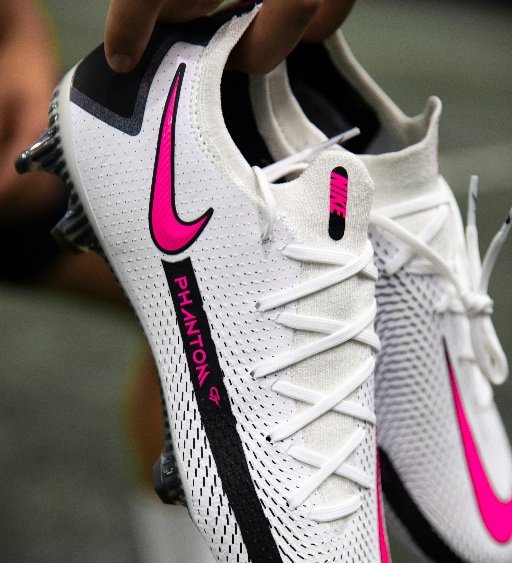
When choosing football boots, first think about the type of surface you’ll be playing on. After that, consider the weather, your skill level, any rules you need to follow, and how comfortable the boots are.
FG boots are best for dry or slightly damp natural grass. SG boots give you more grip on wet or muddy grass, as long as the rules allow those studs. AG boots are made for 3G and 4G pitches and are usually the safest choice for artificial surfaces.
The surface is the most important factor because using the wrong boots can cause problems. Next, think about the weather, your playing level, and how the boots feel when you move fast. If you play in local leagues, youth competitions, or commercial venues, the rules about footwear might be different from those for standard outdoor grass pitches.
Before match day, check the rules for your venue and league. Also, consider where you usually train, where you play matches, which surface you use most, and if you need one pair of boots or two for different conditions.