5-4-1 Formation In Football: How This Tactical System Works In Soccer
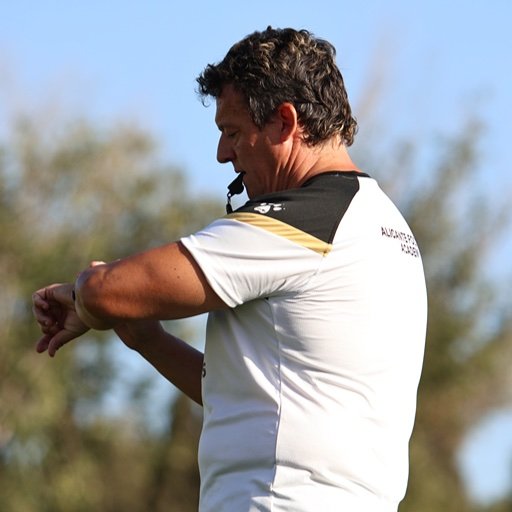
The 5-4-1 formation uses five defenders, four midfielders, and one striker. This setup helps protect the middle of the field and can lead to good counterattacks. However, just adding another defender does not always make your team tougher to beat.
You still need to press the ball, support the striker, and make quick decisions when you win or lose possession. At Murcia Football Academy, we mix technical training with tactics and real match practice. In this guide, we explain what each position means, so you know your role instead of just memorising where to stand.
Football Cone Drills For Speed And Agility: Soccer Exercises To Improve Footwork
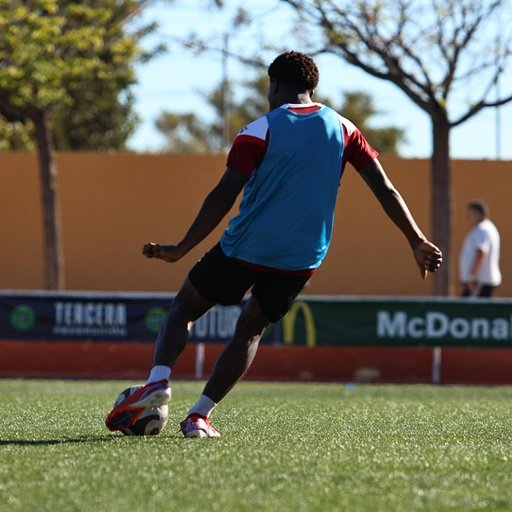
Football cone drills are an easy way to practise accelerating, turning, and controlling your movement. You can train by yourself, add a football, or work with a teammate. The key is to pick an exercise that helps you improve a skill you use in games.
At Murcia Football Academy, our morning training includes sessions with UEFA Pro licensed coaches, physical preparation, and video analysis. Each exercise is part of your overall development. Your movement should help you receive the ball, defend, escape pressure, or reach the ball first.
Below, we describe practical setups, coaching tips, and ways to make the drills harder. The distances we suggest are just starting points, so feel free to change them based on your age, skill level, and the space you have.
Footballers Who Started Late: Soccer Players Who Proved It Wasn’t Too Late
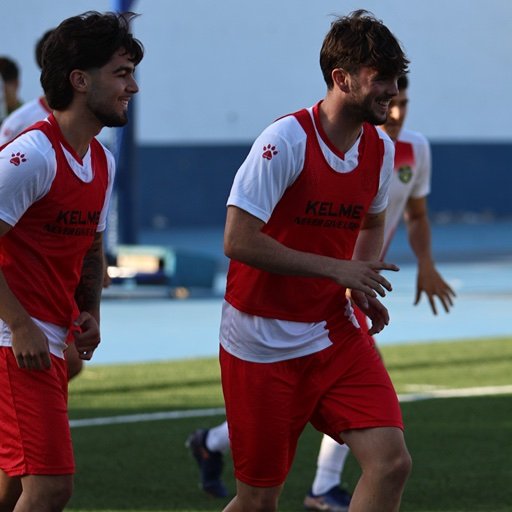
If you missed out on an academy spot as a child, it might seem like your chance in football is gone. Stories about players who started late can be inspiring, but they sometimes give a false impression of what those players really accomplished.
Jamie Vardy and Ian Wright reached key professional milestones later than most players, but both already had football experience. Their journeys show that football offers different paths, but development still matters.
We will look at what happened in each player’s career, explain the difference between late starters and late breakthroughs, and help you find a realistic next step.
How Do Football Tryouts Work? What Soccer Players Should Expect And How To Prepare

Soccer tryouts are sessions where coaches watch you train and play to decide if you are a good fit for their team. It can be hard to know what they are looking for, especially when you are playing with new teammates and have only a short time to show your skills.
At Murcia Football Academy, we help players get ready with morning training led by UEFA Pro coaches and chances to play with Spanish clubs. This is why we focus on building skills you can use again and again, not just one standout moment. Here is what you can expect, how to get ready, and what to do when you hear the results.
How To Play Football In Spain: Soccer Pathways From Training To A Real Club

You can play football in Spain, but just showing up with your boots and a highlight video is not enough. There are several steps, like joining an academy, going on trial, signing with a club, and getting permission to play in official matches.
The best way forward depends on your age, nationality, skill level, playing background, and how long you plan to stay. This guide covers the main options, legal rules, registration process, and costs. We also share tips from our experience helping international players adjust to Spanish training and find the right club.
Tic Tac Toe Football Drill: A Fun Soccer Coaching Activity

A tic tac toe football drill may look simple, but without good organization, it can turn into long lines, messy sprints, and players placing markers without thinking. The drill works best when you focus equally on football skills and decision-making.
At Murcia Football Academy, we use games like this to raise energy and see how players move, communicate, and solve problems. This guide explains the setup, rules, strategy, coaching tips, progressions, and variations so you can run the drill with a clear purpose.
Football Throw In Drills: Soccer Exercises For Better Restarts
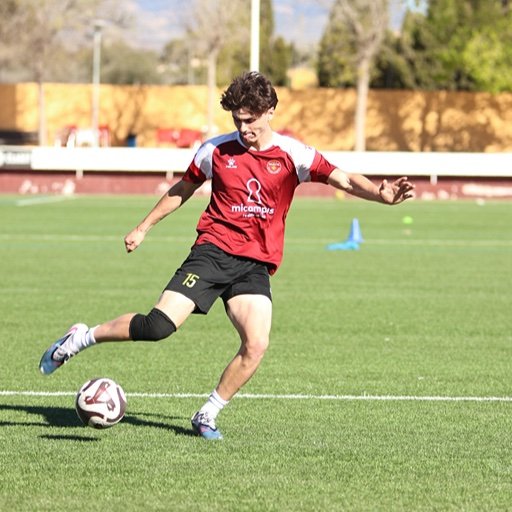
A throw-in seems easy until a player has to do it while under pressure. If their feet are in the wrong place, it can be illegal. Waiting too long can close off passing options, and even a good throw can be wasted if the first touch is too heavy.
The best football throw-in drills cover everything: technique, how the receiver moves, communication, control, and what happens next. In this guide, we show how to coach each part and move from simple partner work to realistic game situations.
Gap Year Soccer Programs: Preparing Players For College And Professional Football

After high school, ambitious players often find themselves in a tough spot. You might not feel ready for college soccer yet, but training on your own for another year can make it hard to improve, compete, and get noticed.
A well-designed soccer gap year gives you a clear goal. It brings together football, competition, education, and support as you get ready for college recruitment, professional trials, or university teams. We’ll explain how these programs work, what they cost, and how to pick the right one.
Fun Football Drills: Engaging Soccer Games For Better Training

Football training can get boring if players spend a lot of time waiting, keep doing the same moves without any challenge, or do not understand why they are doing an exercise. When this happens, the intensity goes down, players get fewer useful touches, and they lose focus.
Fun football drills make the game more enjoyable. A good drill gives players a goal, an opponent, choices, and a reason to keep playing. These games help improve dribbling, passing, finishing, speed, or teamwork, and they keep everyone involved.
This guide offers practical games for all ages and skill levels, plus simple ways to change the space, rules, and scoring. You do not need fancy equipment. Balls, bibs, cones, and mini-goals are enough for most activities.
Football Turns: Essential Soccer Skills To Change Direction And Beat Defenders

Football turns let you get away from pressure, keep the ball safe, and move into open space while staying in control. To pull off a good turn, you need skill, awareness, timing, and a quick burst of speed.
At Murcia Football Academy, we often see players who can show off many moves around cones but have trouble picking the right one when facing a defender. The aim is not to gather tricks, but to master two or three reliable turns that work even when space is tight and the game speeds up.
This guide covers the Cruyff, dragback, L-turn, and Marseille turn. It also shows you how to practice these moves, starting with simple drills and building up to using them under real match pressure.