Strength Training For Football: How Soccer Players Build Power, Speed And Resilience

Strength training for football is more than just building muscle. It helps you get stronger so you can sprint, jump, change direction, hold off defenders, and stay balanced after contact.
A lot of players put in effort at the gym, but their training does not always improve their performance on the field. This often happens with younger players. They may lift heavy weights, but still struggle to change direction, land safely, repeat sprints, or keep steady when the game gets tough.
The best strength training for football combines gym workouts, conditioning, mobility, recovery, and football drills. This guide will show you exercises and methods to help you build power, speed, and resilience while moving well.
Football Recruiting Video: How Soccer Prospects Can Create One Coaches Actually Watch
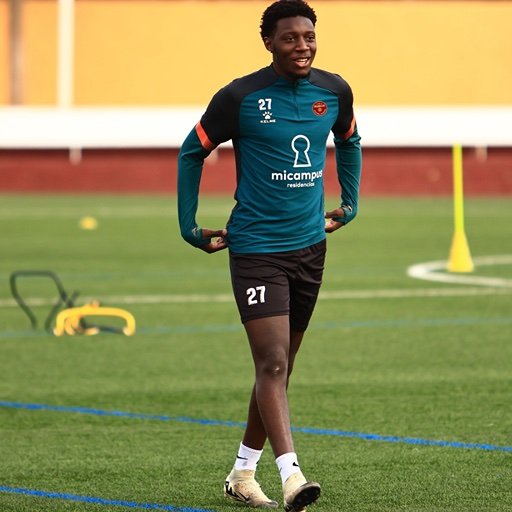
A strong soccer recruiting video helps coaches quickly see what you can do. Avoid long intros, repeating the same goals, or using poor camera angles and distracting effects, since these make it harder for coaches to evaluate you.
Your video does not have to look like it was made by a professional. Focus on showing your position, your playing level, how you affect the game, and why a coach should want to learn more about you. From our experience working with players in training, matches, and trial preparation, we have seen that the best clips are not always the most impressive-looking. This guide will help you choose, edit, and share videos that give coaches what they need.
Football Mental Training: How Soccer Athletes Build Focus, Confidence And Resilience

A player can look impressive in training but still make rushed decisions under pressure during a match. One mistake can cause another. When the crowd gets louder, even a player who usually wants the ball might start to avoid it.
Mental training in soccer helps you handle these moments. You learn what to focus on, how to manage pressure, and how to recover after making a mistake. The aim is not to always feel confident or calm, but to keep making smart choices even when the game is difficult.
At Murcia Football Academy, our international players train under UEFA Pro coaches and use video analysis. That environment reinforces a practical lesson: mindset must be trained inside exercises that include the ball, opponents and time pressure.
Goalkeeper Football Trials: How Can Goalkeepers Earn Academy And Soccer Club Opportunities?

Goalkeeper trials are different from trials for outfield players. One poor decision can stand out, which is why coaches assess much more than saves and reactions.
At Murcia Football Academy, we also evaluate positioning, communication, distribution, decision-making, body language and how a goalkeeper responds after mistakes. This guide explains how goalkeeper trials work, what scouts look for and how to prepare properly.
Are Football Academies Free In Europe? What Soccer Players Should Know Before Applying
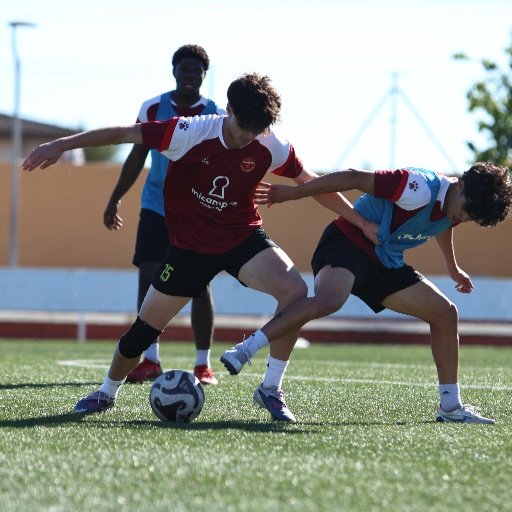
Many players search for free soccer academies in Europe because they want a real opportunity in football without paying private academy fees.
But the word “free” can mean different things. A professional club academy, a grassroots club, a scholarship spot, and a free trial are not the same.
At Murcia Football Academy, we often notice that families are unsure about this. Some players believe that if they get a free trial, the entire program will be free. Others assume that every academy in Europe works like a professional club academy.
The reality is that some academies in Europe are free for only some selected players, but most private, residential, and international academies charge fees. This guide will help you understand the differences, so you know what to expect before moving to another country, paying an agent, or trusting a trial offer.
What Do Coaches Look For In Soccer Tryouts? Football Skills, Effort And Game IQ

Soccer tryouts can feel stressful because coaches pay attention to everything you do, from your touches on the ball to your runs and decisions.
Many players think they need to do something impressive to stand out, like a nutmeg, a long shot, a strong tackle, or a fancy dribble. However, most coaches are looking for players who are well-rounded.
Coaches want to see if you can play well, think quickly, work hard, and get along with the team.
At Murcia Football Academy, we notice this often. The players who stand out most are not always the loudest or flashiest. Usually, it’s those who stay calm, listen, look around before getting the ball, play with purpose, and keep trying even after making mistakes.
Soccer Crossing Drills For Football Players: Better Crosses, Finishing And Wide Attacks
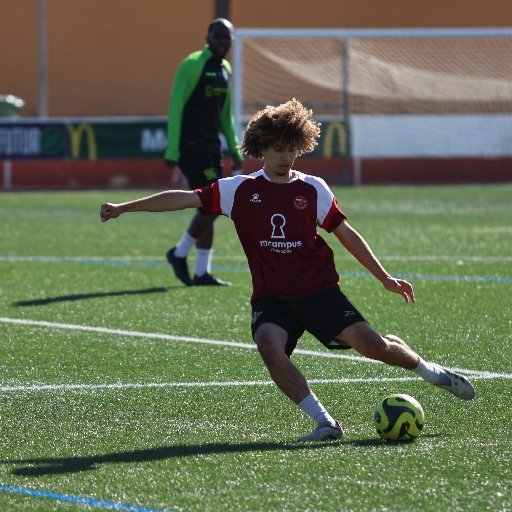
Crossing might look simple at first. Crossing is more than simply kicking the ball from the side. The player making the cross should look up, watch the goalkeeper, avoid defenders, and choose the right kind of pass. The striker needs to time the run, find space, and finish quickly.
That’s why the best crossing drills focus on delivery, movement, finishing, and smart decision-making.
At Murcia Football Academy, we see that when players learn when and where to cross, their wide play improves quickly in matches.
Heading Drills To Improve Football Technique And Soccer Heading Skills Safely
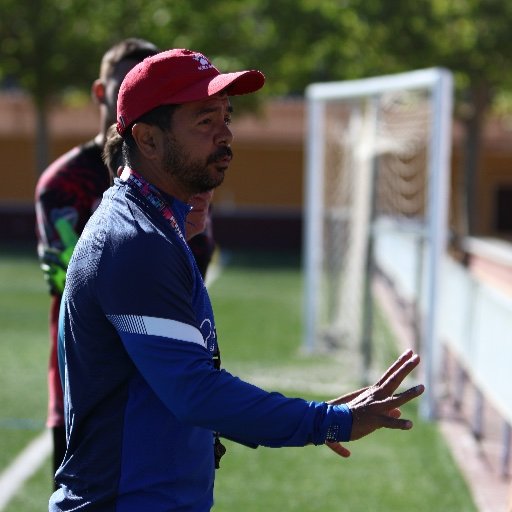
Heading lets players score goals, clear the ball from danger, and win important battles in the air. Still, it’s a skill that should be taught carefully.
A lot of players struggle with heading because they tend to close their eyes, pull away from the ball, or are not sure where to hit it.
That’s why heading drills should begin with building confidence, learning safe contact, and practicing basic technique. Once players are comfortable, they can move on to crosses, jumping headers, defensive clearances, and aerial duels.
In this guide, we’ll share our top heading drills for football and explain how we use them at Murcia Football Academy to help players stay safe while improving their skills.
Football Circuit Training For Players: Soccer Drills To Build Fitness, Speed And Ball Skills?

Football circuit training helps you get ready for what a real game is like.
In a match, you do a lot more than just run in a straight line. You sprint, stop, turn, get the ball, protect it, pass, jump, recover, and do it all again. That’s why a good football circuit is more than just random fitness exercises. It should combine speed, strength, conditioning, and ball skills in one focused session.
At Murcia Football Academy, we use circuit training to help players get stronger and keep their skills sharp. Our goal isn’t to wear players out for no reason. We want them to play well, even when they feel tired or under pressure.
Ball Control Drills For Football Players: Soccer Skills To Improve Touch, Confidence And Game Control
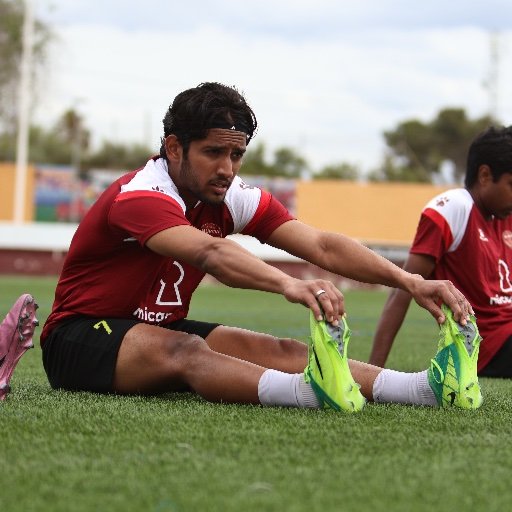
Good ball control can make a player’s movements look effortless.
A skilled player controls their first touch calmly, which helps them plan their next move. Players who are still learning might touch the ball too hard, get it stuck under their feet, or feel pressure before they are ready.
That’s why ball control drills should focus on more than just flashy moves. At Murcia Football Academy, we see that the players who improve the fastest are those who practice simple touches, listen to feedback, and use their confidence when they feel sure.
In this guide, we’ll cover the best ball control drills for football. These include basic touches, first touch exercises, wall passing, juggling, dribbling, turning, aerial control, and drills that add game-like pressure.