

Key Takeaways
- Pick a club where you can play regularly. Getting game time at the right level is better than just sitting on the bench for a stronger team.
- Keep in mind that having permission to stay in Spain is not the same as being allowed to play in official football matches.
- Be ready to show your football CV, recent full-match videos, and a truthful record of your playing history.
- Remember that joining a private academy is for your development. It does not mean you have a professional contract.
- Be patient with the process. Training, evaluations, getting accepted by a club, registration, and moving forward all take time.
Table of Contents
How To Play Football In Spain
Pick a path that fits your current skill level, not just the club you dream of joining. You might reach out to a local club, go to a trial, join an independent academy, get recruited by a professional club academy, or get noticed after playing well.
A common mistake is aiming for big-name clubs before showing you can compete at the right level. Start by asking yourself where you can train regularly, play games, and prove you can handle Spanish football.
| Pathway | Best For | Main Value | Main Limitation |
|---|---|---|---|
| Local amateur club | Newcomers living in Spain | Regular team football | Support and exposure vary |
| Lower-division team | Experienced senior players | Stronger competition | Higher selection standard |
| Independent academy | International players needing structure | Coaching, living support and club access | Paid programme with no signing guarantee |
| Professional club academy | Highly selected youth players | Direct club development | Normally entered through scouting or invitation |
| Trial | Match-ready players | Direct evaluation | Brief opportunity with no guaranteed offer |
| Direct recruitment | Proven players | Immediate club interest | Requires current evidence and trusted contacts |
What Levels Of Football Can You Play In Spain?
In Spain, you can find many levels of football, including youth teams, private academies, regional amateur leagues, national non-professional divisions, and professional clubs. Which level you can join depends on your age, gender, region, and current skill level.
Youth football lets young players develop and compete with others their age. Football academies offer extra training and matches and help players get noticed by clubs. For international players, academies can also help them enter the Spanish club system, as coaches decide which level fits them best.
At the senior level, players often start in regional amateur leagues and can move up to tougher national competitions. According to the RFEF’s 2026/27 rules, Primera and Segunda División are professional men’s leagues. Primera Federación, Segunda Federación, and Tercera Federación are officially non-professional, but people sometimes call them “semi-professional” if players get paid or have other jobs alongside football.
Below Tercera Federación, there are regional competitions run by Spain’s local federations. These leagues can be a good place for new players to start or for those looking to gain experience before moving up. The level of play can vary a lot, and top regional teams often have tough training, experienced players, and a competitive selection process.
As you reach higher levels, you can expect:
- You will need to make quicker decisions and will have less time with the ball
- The game will be more intense, both physically and technically
- You will have more detailed tactical responsibilities
- Selection will be stricter, and there will be tougher competition for every position
- You will have more training, travel, and recovery commitments
- There will be fewer guaranteed chances to play, and you will need to earn your minutes through training and good performances
In our experience, starting at the highest-level club is not always best. It is often better to join a team where the coach trusts you and lets you play regularly. Having recent match footage, playing time, and coach references from Spain can help you move up later.
What best describes your current route into Spanish football?
Do you already understand and meet the legal and football-registration requirements for your planned stay?
Solution:
Target realistic Spanish clubs that match your current level and position. Prepare a one-page football CV, recent full-match footage, highlights, playing history and availability, then contact coaches or sporting directors about training or trial opportunities. Prioritise a club where you have a realistic chance of earning regular minutes.
Solution:
Clarify your right to enter and stay in Spain before committing to a club pathway, then check whether your age, nationality, previous registrations and transfer history allow federation registration. Remember that permission to stay in Spain and permission to play official matches are separate processes..
Do you already understand and meet the legal and football-registration requirements for your planned stay?
Solution:
Consider an independent academy such as Murcia Football Academy if you need regular coaching, evaluation, competitive football and introductions to suitable Spanish clubs. A longer evaluation period can help coaches understand your level and identify realistic opportunities, but the club always makes the final decision about accepting or signing you.
Solution:
Start with a programme that can explain both the football pathway and the documentation required for your individual situation. Before paying or booking travel, confirm your immigration route, academy documents, accommodation, insurance and potential federation-registration requirements so you understand what allows you to train, stay legally and eventually play official matches.
Can Foreigners Play Football In Spain?
Yes, international players can train, attend trials, and join football programmes in Spain. However, being allowed to play in official matches is a separate process. Eligibility depends on factors like nationality, age, immigration status, previous registration, and federation approval.
Players from the EU usually have an easier time with immigration. Non-EU players often need a visa or residence permit. If a player was registered with a club abroad before, extra transfer or federation steps may be needed.
There are stricter rules for minors. FIFA’s rules limit most international transfers and first registrations for players under 18, except in certain cases.
In our experience, we review a player’s passport, age, and previous clubs before talking about official match eligibility.
Murcia Football Academy provides a clear path for international players who want to train, be evaluated, and experience football in Spain.
What Legal Requirements Must You Meet To Play Football In Spain?
Make sure to check both your right to enter and stay in Spain and your eligibility to play organised football. Getting approved for one does not mean you are approved for the other.
If you are an EU citizen, you can usually stay in another EU country for up to three months without registering as a resident. For longer stays, you may need to register according to EU residence rules.
If you are not from the EU, the requirements depend on your nationality, age, how long you plan to stay, and whether you are joining a short football programme, a long-term academy, or a registered club. To get a long-stay study visa in Spain, you must be admitted to a qualifying course and provide the right documents. Just paying for football does not automatically make you a student.
Before you travel or pay for a long-term programme, make sure you know your immigration status, whether you can be registered for official football, who will handle the paperwork, and what to do if there are delays or refusals.
In our experience, problems often happen when players pay or book flights before getting clear answers. Since requirements vary for each person, check both your legal and football eligibility before making any commitments.
WANT A STRUCTURED ROUTE INTO SPANISH FOOTBALL?
If you want to train in Spain and be evaluated in real Spanish club environments, send us your playing details. We’ll review your profile and explain which Murcia Football Academy programme could suit your situation.
Apply to Murcia Football Academy
What Documents, Insurance, And Medical Requirements Do Foreign Footballers Need?
Requirements can differ, but most players need to get four main groups of documents ready:
- Identity and immigration: Bring a valid passport or ID, any needed visa or residence papers, admission and accommodation documents, and if you are a minor, parental permission.
- Football registration: Gather details from your previous club and federation, release or transfer papers, player photos, and any registration forms your new club or federation asks for.
- Insurance: Make sure you have medical coverage for regular health needs and extra protection for football injuries.
- Medical evidence: You might need a medical certificate for immigration, and some clubs or federations may also ask for a medical exam or a fitness-to-play certificate before you can register or compete.
Football insurance is different from regular medical insurance. Accident coverage for football might not include private healthcare, general illness, repatriation, or all training activities. If you are an eligible EU visitor, you can use the EHIC for public healthcare during short stays, but it does not cover private treatment or repatriation.
A visa medical certificate and a sports fitness assessment are for different things, so do not assume one can take the place of the other.
In our experience, using clear scans, keeping your name spelling the same on all documents, and sharing your previous football registrations early can help you avoid delays. Ask for a list of documents specific to your case and check who needs to submit each one.
How Does Football Registration Work In Spain?
You usually become officially eligible once a Spanish club accepts you and the football authority approves your registration.
Here’s how the process typically goes:
- The club picks you for a team.
- They check your identity, age, nationality, documents, past registrations, and transfer status.
- The club sends your registration through the regional federation or the RFEF system.
- If needed, any international transfer or minor approval is completed.
- The federation then approves your registration and licence.
- After that, you’re eligible to play in official league and competition matches.
You need to register because just training with a club doesn’t automatically let you play in official matches. Your eligibility depends on things like your nationality, age, past club registrations, transfer history, and whether your documents have been approved.
According to current FIFA rules, you usually need to be formally registered to play organised football. If you’re a recognised trialist, you might be allowed to play in some friendly matches during your trial, but this doesn’t make you eligible for official league or cup games.
You can often start training while your paperwork is still being processed. In our experience, it’s important to ask if your status is just training, registration submitted, or licence approved, since these mean different things.
Do You Need A Spanish Football Federation Licence?
In most cases, you need a valid federation licence to take part in official competitions in Spain. This licence shows you are registered with a specific club, team, and category according to RFEF and federation rules.
Usually, the club handles the registration process. They collect the necessary documents and send your application to the right football federation.
You should keep these four things in mind as separate steps:
- Academy enrolment: This gives you access to a football development program.
- Club acceptance: This means a team invites you to train or play with them.
- Federation licence: This is your official registration, which lets you play in official competitions.
- Immigration permission: This is your legal right to enter, stay, or live in Spain.
Just joining an academy or being accepted by a club does not mean your federation registration is complete. Getting a training kit, paying programme fees, or being told by a coach that you are accepted does not prove your licence is active.
MAKE YOUR FIRST CONTACT WITH CLUBS COUNT
Clubs need clear information before deciding whether to watch or invite a player. Our guide explains how to prepare your football CV, video, first message and follow-up when contacting teams for trials.
Learn how to contact football clubs for trials
How Can You Find And Join A Football Club In Spain?
You can find football clubs in Spain in several ways. Try reaching out to teams, attending trials, asking coaches for recommendations, playing in local leagues, using academy connections, or getting noticed by scouts.
Before you contact clubs, make sure you have the following ready:
- A one-page football CV
- Your age, nationality, height, preferred foot, and playing positions
- A list of your current and previous clubs
- Details about your recent competition level and how many minutes you played
- A short highlight video and a full recording of a recent match
- Coach references, if you have them
- Dates when you can train or attend a trial
In our experience, full-match footage is very helpful. It shows your positioning, awareness, transitions, work off the ball, and how you react after mistakes.
Look for clubs that fit your current skill level and need players in your position. Choosing a realistic level gives you a better chance to train and play regularly.
Playing regularly at the right level is often a better path than only aiming for big professional clubs. Recent match minutes, videos, and coach references can help you show your ability and move up in the future.
Keep your first message brief and clear. Say who you are, why you are interested in the club, and when you are available. Clubs are more likely to respond to a focused message than to a generic one sent to many teams.
How Can You Join An Amateur Or Semi-Professional Club In Spain?
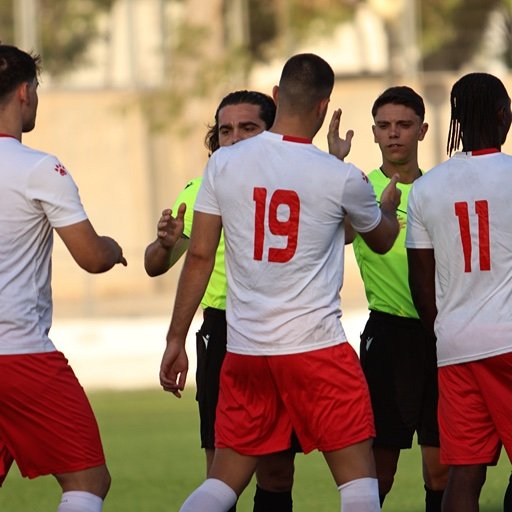
Look up local and regional competitions, league tables, club websites, and social media to find teams that fit your level. Reach out to the sporting director, coordinator, or coach to ask about open spots, joining a training session, or any trial chances for your position.
Amateur football is a good way for newcomers to start in the Spanish system. It helps you make local contacts, get recent match videos, and get used to the language, tactics, and physical style of Spanish football.
Stronger amateur or semi-professional teams often look for players with a higher skill level, recent match experience, good fitness, and the ability to make an impact right away. Some players get paid, but others do not, so make sure to check the financial details with the club.
If you want to join stronger teams, recent match videos, strong trial results, coach recommendations, and standout performances in real games will make your profile stand out.
Share a full football profile instead of just asking, “Can I join?” Giving clear details and proof of your skills helps clubs see if you are a good fit.
How Can You Join A Professional Football Club In Spain?
Professional clubs find new players by scouting, watching competitive games, listening to trusted recommendations, attending youth competitions, using club networks, analysing data, and holding selected trials.
Getting recruited is tough. Clubs usually want players who already perform well in real games, not just those who show promise during training.
Trials are selective and often happen after you’ve been scouted, recommended, or have played well in matches. A trial is just a chance for the club to see if you can handle their speed, tactics, physical demands, and team environment. It’s not a contract.
Sending an application or a highlight video can help you get noticed, but it usually isn’t enough by itself to get you onto a professional team.
For most players, a step-by-step approach is more realistic:
- Play well and consistently at your current level
- Look for chances to play in tougher competitions
- Get a recent video of yourself playing against stronger opponents
- Work to get strong recommendations from respected coaches
- Be prepared when a club is looking for someone in your position
In our experience, taking the right opportunity at a lower-level club can open more doors than turning down every team that isn’t well-known. Playing regular matches gives bigger clubs recent proof of your abilities.
How Can You Join A Football Academy In Spain?
If you want more structure than a single club trial offers, consider joining an independent football academy. A good academy brings together coaching, fitness training, competitive games, video analysis, accommodation, transport, and the chance to experience Spanish football.
Typically, you start by researching different academies and checking if you meet their requirements. Then, you apply, share your playing history and recent videos, and if you are accepted, you finish the paperwork, enrol, and pay the programme fees.
Academies usually look at things like:
- Age
- Playing background and current level
- Fitness
- Passport and other required documentation
- Commitment to the programme
- Ability to cover the programme fees
At Murcia Football Academy, international players train in organised sessions with UEFA-qualified coaches and get real experience in Spanish football. We evaluate each player first, then look for club training or trial opportunities that match their level.
The club always makes the final decision about accepting, registering, or signing a player. While joining an independent academy can open doors and give you exposure, it does not guarantee that a professional club will recruit you.
In our experience, being observed over a longer period helps coaches see how you react to feedback, keep up your effort, follow tactical instructions, and perform steadily over time.
What Is The Difference Between A Private Academy And A Professional Club Academy?
A private or independent football academy typically runs paid development programmes that players can apply for. These programmes might include coaching, matches, accommodation, and chances for exposure. However, players are paying for training, not being chosen by a professional club.
A professional club academy works differently. It chooses players to join and represent the club in its official youth competitions.
According to FIFA, a club academy has legal, financial, or practical ties to the club. A private academy does not have these connections.
Going to a professional club camp, training session, or branded programme is not the same as being picked for the club’s official academy. Wearing the club’s kit or training at their facilities does not mean you are part of their registered youth teams.
Before you pay for a programme that says it is connected to a major Spanish club, consider asking:
- Which organisation is named in the contract?
- What is the exact relationship between the programme and the professional club?
- Will you be playing for a registered team?
- Are the matches official, friendly, or just academy games?
- Does the programme promise you a spot in the club’s official academy?
- Who decides if you get a trial or training chance?
- What happens if you do not get an offer from any club?
- Which services and refund policies are clearly written down?
A reliable academy will explain both what is possible and what is not. They should never promise that a trial, training session, or club connection means you will get a professional contract.
UNDERSTAND HOW FOOTBALL TRIALS IN SPAIN WORK
A trial gives a club the chance to evaluate you, but it is not a guaranteed signing. See how trials work, what you should prepare for and how we help players access suitable opportunities with Spanish clubs.
Read our guide to football trials in Spain
How Can You Get Competitive Football Experience In Spain?
Gain experience by playing in league matches, tournaments, reserve teams, academy games, friendlies, and matches against Spanish clubs. Getting regular minutes on the field is key to developing and moving forward in Spanish football.
Playing in competitive games helps coaches and scouts see your abilities in action:
- Decision-making under pressure
- Technical ability at match speed
- Tactical positioning and understanding
- Communication and reactions in transitions
- Fitness and repeated physical intensity
- Mentality when the match becomes difficult
A 2026 review in PubMed found that football talent identification now looks at technical, physical, psychological, and social factors together. No single drill or fitness test can show everything about a player.
Record your full matches and keep track of your position, minutes played, opponent, and competition. This gives clubs better proof of your current level and progress.
In our experience, playing regularly for a suitable lower-level team helps you develop and get noticed more than sitting on the bench at a stronger club. The club badge might look good on your CV, but steady performances in real games give coaches and scouts something real to judge.
If you keep performing well over time, you can earn recommendations, trials, and chances to move up to higher levels.
How Much Does It Cost To Play Football In Spain?
The cost can be very different depending on whether you join a local club, a private academy, a residential programme, a trial, or another football pathway.
Local clubs might ask you to pay for registration, membership, or kit, and you will need to sort out your own accommodation and transport. Private academies usually charge for coaching and development. Residential academies often cost more because they include accommodation, meals, coaching, training facilities, transport, and other support services.
You should plan your budget for the following:
- Fees for clubs, academies, camps, or trials
- Accommodation, meals, and any required deposits
- Flights and local transportation
- Visa fees, translation, and legal costs
- Health insurance and football-related insurance
- Medical exams and federation registration or licence fees
- Boots, training kit, and personal expenses
- Schooling or guardianship if needed
- Funds for emergencies and return travel
From our experience with international families, we have seen that the lowest advertised fee is not always the cheapest option in the end. Paying separately for accommodation, meals, transfers, and daily transport can make the total cost much higher.
Always ask for a detailed quote, a payment schedule, and a written refund policy. Make sure you know if you are paying for a private development programme or if you are being recruited by a football club. Paying for coaching and exposure is different from being signed and funded by a club.
There may be scholarships or funded opportunities in some cases, but they are usually selective and should not be assumed or promised as guaranteed.
COMPARE THE FULL PROGRAMME BEFORE YOU DECIDE
Training is only one part of moving to Spain for football. Compare our programme lengths, accommodation, meals and included services so you understand the full setup and cost before applying.
Check programme options and pricing