
Key Takeaways
- With one-on-one football coaching, you can focus on your weaknesses, boost your confidence, and get feedback that’s tailored to you.
- Private football training can help beginners, academy players, adults, girls, women, and goalkeepers, as long as the sessions are well planned.
- The price depends on where you train, your coach’s experience and qualifications, the facilities, and the length of each session.
- A good coach connects drills to real match situations, not just making the session look impressive.
- Private coaching is useful, but a football academy may be a better choice for players who want teammates, regular matches, pressure, routine, and long-term growth
Table of Contents
One To One Football Coaching
One to one football coaching, also known as personalised football coaching, is private training for just one player. Unlike team sessions, the coach can focus completely on your level, position, strengths, weaknesses, and goals.
This type of training goes by many names, like one on one football coaching, 1-1 football coaching, 1:1 football coaching, football 1 to 1 coaching, 1 on 1 football coaching, and football coaching one to one. No matter the name, it means a session with one coach and one player, tailored to that player’s needs.
In team training, the coach has to watch over everyone. With private 1 on 1 football coaching, the coach can stop the drill, help you with your body position, ask what you noticed, change the difficulty, and repeat the exercise until you improve.
Expert 1 to 1 football coaching can help beginners, grassroots players, academy prospects, adults, girls, women, and goalkeepers. Choosing the right coach and setting a clear goal for each session is important. If you want to improve a specific part of your game, starting 1 to 1 football coaching could be a great first step.
Who Is Personal Football Training For?
Private football coaching suits people of any age, skill level, or goal. Each session should match the needs of the individual player.
Coaching for children often helps them build confidence, ball control, and coordination. Academy players or those aiming to join an academy usually practice handling pressure, scanning the field, making decisions, learning tactics, and playing at a faster pace. For adults, sessions may focus on fitness, technical skills, match sharpness, confidence, or returning to football after some time away.
Private football coaching also benefits girls, women, beginners, grassroots players, advanced players, and goalkeepers. Sessions can be adjusted to focus on physical development, technical skills, building confidence in matches, fitness, or learning tactics. The best program depends on each player’s level, position, age, and goals.
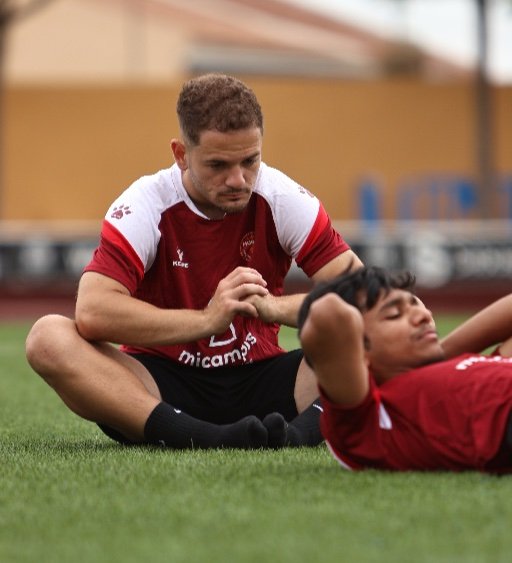
At Murcia Football Academy, we see these differences every day. For example, a winger might practice one-on-one attacking and crossing. A central midfielder could work on scanning, first touch, and playing forward. A goalkeeper may focus on handling, footwork, distribution, and decision-making. Personal coaching works best when it considers these needs.
READY TO TRAIN IN A REAL FOOTBALL ENVIRONMENT IN SPAIN?
Private coaching can help you fix specific weaknesses, but serious progress also needs daily training, feedback, matches and the right football environment. At Murcia Football Academy, we help players train with structure and understand what it takes to improve in Spain.
Train with Murcia Football Academy
What Age Is Best To Start Football Coaching?
Kids are ready to start football coaching when they can listen, follow simple instructions, and enjoy practicing with some structure.
For younger kids, the main goals should be having fun, building confidence, improving coordination and ball skills, and making sure they develop safely, without any pressure. Parents looking for football coaching for kids or beginners should pick coaches who understand child development, not just football drills.
Kids aged 9 to 14 usually do well with a mix of physical and technical football training. At this stage, sessions can focus on first touch, passing, dribbling, finishing, balance, agility, coordination, and confidence. Coaches should always make sure activities fit the age group.
When kids have fun during training, they’re more likely to keep getting better. But if they always feel judged, they might lose interest in football completely.
Is Private Coaching Useful For Academy And Aspiring Academy Players?
One-on-one football coaching is a great option for academy players or those hoping to join an academy, especially if they already train with a team but want more personal attention. Private coaching at this stage helps players sharpen advanced technical and tactical skills by focusing on the small details that can make a real difference in matches, trials, and other competitive situations.
Academy-level coaching usually focuses on skills like scanning the field, making quick decisions, handling pressure, moving into the right positions, and playing at a faster pace. Players may need to scan earlier, receive the ball on their back foot, pass more quickly, protect the ball better, defend with good body shape, or move into open spaces before the ball arrives.
High-intensity private sessions also prepare players for trials, matches, and tough competition. The best sessions do more than just basic drills. They add real-game pressure with limited touches, quick decisions, tight spaces, physical contact, recovery runs, and finishing when tired.
Players at this level should look for coaches with experience in academies, professional teams, or elite player development. UEFA’s coaching pathway includes C, B, A, and Pro licences, with the Pro Diploma for head coaches in the professional game. Academy players should choose coaches who have not only enthusiasm, but also strong knowledge, experience, and a real understanding of high-level football.
Can Adults Benefit From Football Coaching?
Football coaching can be a great option for adults who want to rebuild confidence, get fitter, work on their skills, or return to the game after a break.
Many adults search for local football training because they still enjoy the game but feel a bit rusty. Some want to improve for 5-a-side games, others play in Sunday leagues, and some are dedicated amateur or semi-pro players. There are also people who started playing later and never had formal coaching when they were younger.
Adult football coaching can be customized for recreational players, competitive players, and those who picked up the sport later in life. Sessions may focus on fitness, confidence, technique, shooting, first touch, safe movement, passing, agility, conditioning, or preparing for matches. A good coach will adapt each session to your body, football experience, and personal goals.
A 35-year-old returning after knee pain shouldn’t train the same way as a 17-year-old winger preparing for trials. Good adult football coaching recognizes these differences. It helps adults ease back into the game, build confidence, get fitter, and feel more prepared on the pitch.
Is Soccer Coaching For Girls And Women Different?
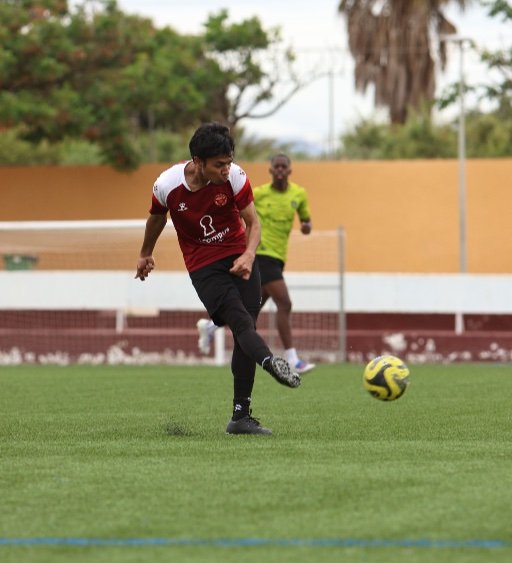
Everyone should receive the same quality of coaching. Girls and women deserve training that matches the technical detail, progression, and ambition given to boys and men.
The environment can be different, though. Some players do better when they have more confidence-building, positive role models, and a safe space where they feel comfortable asking questions, making mistakes, and learning without being judged.
Coaching for women and girls can be adjusted for beginners, grassroots players, academy programs, school teams, or adult women’s teams. UEFA’s women’s football strategy aims to make football the top team sport for women and girls in every European country by 2030, with strong pathways for players, coaches, and referees.
This matters because better pathways create better opportunities. Girls and women deserve high-quality coaching, not easier or less challenging sessions.
What Can You Expect From A Football Training Session?
A private football training session usually starts with a warm-up, then moves on to technical drills, practice under certain conditions, feedback, and planning for future sessions.
Each session is planned based on factors like location, goals, equipment, and the player’s age and skill level. Younger players often work on ball control, passing, and basic finishing. Academy players may practice receiving the ball under pressure and playing through defensive lines. Strikers tend to focus more on finishing, while full-backs practice defending wide areas and crossing.
A good coach considers technical, tactical, physical, psychological, and position-specific skills. Every session should be challenging but also safe and suitable for the player’s age and fitness level.
Football remains a contact sport. IFAB states that the Laws of the Game are designed to make football as safe as possible while balancing player welfare and fairness.
What Skills Can Private Soccer Coaching Improve?
Private soccer coaching helps players get better at their skills, understand the game, build fitness, and grow stronger mentally.
Great one-on-one football training isn’t just about touching the ball more often. It’s about making every touch matter, practicing in real game situations, and getting useful feedback.
| Area | What Private Coaching Can Improve | What It Should Connect To In Matches |
|---|---|---|
| Ball mastery | Close control, turning, changes of direction | Escaping pressure and protecting the ball |
| Passing | Weight, timing, accuracy, body shape | Playing forward and keeping tempo |
| Shooting | Technique, composure, weak foot, finishing angles | Scoring under pressure |
| Defending | 1v1 defending, timing, distance, body position | Winning duels without diving in |
| Movement | Checking shoulders, creating space, timing runs | Receiving in dangerous areas |
| Fitness | Speed, agility, stamina, balance, power | Repeating actions during games |
| Confidence | Repetition, feedback, decision-making | Playing with less fear |
| Goalkeeping | Footwork, handling, distribution, reactions | Making decisions under pressure |
The most important thing is whether players can use a skill during a match. If someone can do it in practice but not in a game, the training session is not finished.
WANT YOUR FOOTBALL TO BE TESTED IN REAL MATCHES?
One to one coaching can sharpen your technique, but matches show whether you can use those skills under pressure. Learn how our football trials pathway helps players train, compete and get seen in Spain.
Get football trials in Spain
How Can A Football Fitness Coach Help Players Get In Shape?
Working one-on-one with a football fitness coach helps players get faster, stronger, and more agile. It also builds stamina, improves balance, and helps them move better during games.
This kind of training is different from regular gym workouts. Football fitness should match what happens in real games. Players need to speed up, stop, turn, press, recover, jump, shield the ball, sprint, and repeat these moves while making quick decisions.
If you want to get in shape with a football fitness coach, look for sessions that combine physical training with ball work when you can. Personal training for football can help you get fitter, move better, feel more confident, and be ready for matches.
Strength and conditioning should match the player’s age, injury history, growth stage, and skill level. Studies on young elite soccer players show that training for agility and quick changes in direction can improve sprinting and agility. This shows that football fitness needs to be specific, reactive, and closely connected to real game situations.
How Much Does 1:1 Coaching Cost?
The price of one-on-one coaching can vary based on the coach’s qualifications, location, session length, experience, the facilities they use, and whether you book directly or through a platform.
In the UK, Coachability reports that a one-hour football coaching session for one player usually costs between £30 and £55. On Superprof’s London football coaching page, prices start at £15 an hour, and the average private session costs about £32 per hour.
These prices are only examples and not fixed. Some coaches may charge more if they have UEFA licences, academy experience, professional playing backgrounds, or extra qualifications in goalkeeping or strength and conditioning.
| Price Factor | Why It Matters |
|---|---|
| Coach qualification | UEFA, FA or federation licences usually show formal coach education |
| Experience | Academy or professional experience may increase the price |
| Location | Big cities often cost more than smaller towns |
| Facilities | Private pitches, indoor spaces or specialist equipment can affect cost |
| Session type | Goalkeeper, fitness or elite technical sessions may be priced differently |
| Booking method | Platforms may include fees, while direct bookings may vary |
| Package size | Block bookings may reduce the price per session |
Before you pay, check coaching session prices in your area and think about the value you get, not just the cost. The cheapest coach might not be the best, and the most expensive one may not be right for you either.
What do you need most from your next football training step?
Do you also need regular match pressure and team training?
Solution:
Choose private one-to-one coaching for the specific weakness, but combine it with an academy environment where you train daily, play with teammates, receive feedback, and test your skills in matches. This is best if you want technical improvement and real football development.
Solution:
Start with private one-to-one football coaching. Focus on one clear target, such as weak foot, finishing, first touch, confidence, fitness, or goalkeeping. Make sure the coach connects every drill to match situations, not just isolated exercises.
Do you also need regular match pressure and team training?
Solution:
Join a football academy programme. This is the strongest option if you want daily training, UEFA-level coaching, physical preparation, teammates, tactical learning, match rhythm, feedback, and exposure to Spanish football clubs.
Solution:
Choose an academy-style development programme with individual support. This gives you more structure than private coaching alone, while still helping you improve specific areas through feedback, repetition, and a clear training plan.
Is 1 To 1 Football Coaching Worth It?
One-on-one football coaching works best when a player sets clear goals, receives expert feedback, practices often, and can see real improvement.
Many parents ask, “Is paying for a coach worth it?” or search online for answers about one-on-one training sessions. The answer really depends on each situation.
Private coaching helps most when the player is motivated, the coach is experienced, sessions focus on real football situations, and the player trains regularly. It is less useful if sessions are random, the player attends only sometimes, or the coach promises fast results.
One-on-one training can be a good choice for some children if the provider offers safe, structured, and age-appropriate sessions. What matters most is not the program’s name, but whether the child receives quality coaching, sees progress, gets positive feedback, and has a safe place to grow.
However, for serious players, private coaching should not treplace team football. Players still need matches, teammates, real game pressure, chances to communicate, and opportunities to learn tactics.
NOT SURE IF PRIVATE COACHING OR AN ACADEMY IS BETTER?
A private coach is useful for focused technical work. A football academy gives you a wider development environment with training, teammates, feedback, match rhythm and long-term structure. Compare both before choosing your next step.
Compare the full academy programme
When Might Private Sessions Not Be The Right Choice?
If you play football just for fun and already get plenty of practice, you probably don’t need private coaching.
Private coaching may not be worth it if the sessions aren’t very good, the coach doesn’t have a clear plan, the goals aren’t clear, or the player doesn’t go often. One session can help, but real progress comes from regular practice over time.
Young children usually benefit from both group play and one-on-one practice. Since football is a team sport, players need to learn how to pass, communicate with teammates, defend, attack, and make decisions together. Individual coaching can help build skills and confidence, but group play teaches kids how the game works.
Watch out for coaches who promise guaranteed academy spots, quick results, or professional contracts. No one can truly promise those things. A good coach can help you prepare, but they can’t control who gets picked, what scouts think, injuries, or how tough the competition is.
How Do You Find A Qualified And Verified 1 To 1 Football Coach?
When choosing a one-on-one football coach, look at their credentials, experience, reviews, safety standards, and coaching style.
If you are looking for a football coach, either locally or through Coachability, try not to focus just on price. Think about who the coach has worked with, their qualifications, how they communicate, and whether their session plan fits your goals.
Safeguarding matters when it comes to children. Parents should feel confident that the coach has been properly checked, knows safe practices, and can create a positive learning environment. Clear checks, strong safeguarding standards, and open coach profiles help families compare coaches, instead of just relying on photos, promises, or price.
Great football coaches know the game well, communicate clearly, are reliable, and help players improve. A good coach explains what the player needs, how the session will help, and what to do after training.
Who Provides 1-On-1 Football Coaching?
There are many ways to find 1-on-1 football coaching. You might work with an independent coach, join a football academy, book through a private training company, or connect with former players, teachers, or PE specialists. Some coaches focus on children’s football, adult football, girls’ football, academy preparation, goalkeeping, futsal, or strength and conditioning.
Choosing a coach who matches your needs is key. Beginners usually need patient support to build confidence. Goalkeepers do best with coaches who have specialist knowledge. If you want to try out for an academy, look for someone who understands high-level play. Adults coming back to football may need help with fitness and injury prevention. Young girls often do well in a safe, positive environment where they can grow and feel confident.
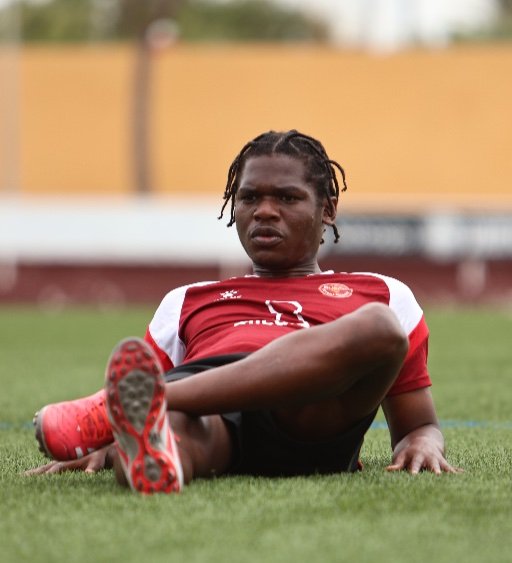
At Murcia Football Academy, we support you with a full development program. Our UEFA-certified coaches give you personal guidance to help you improve. You’ll get daily training, match experience, gym access, feedback, and the chance to experience Spanish football.
This mix is important. A private coach can help you focus on a specific area, but an academy environment helps you grow as a player in every way.
What Should A Good Football Coaching Provider Offer?
A good football coaching provider has qualified coaches, clear session options, transparent pricing, safe booking, and helpful communication.
It should be easy to find out who the coaching is for, what happens after booking, where sessions take place, what equipment is included, how cancellations work, and how player safety is handled.
We Make Footballers is a good example of a provider that clearly explains coach qualifications, equipment, and how sessions are organized. Parents and players should look for this kind of clear information, no matter which provider they choose.
Good coaching is well-structured. Random sessions can be fun, but real progress needs a plan. Coaches should track what has been covered and what comes next.
WANT TO READ THE GAME BETTER BEFORE YOUR NEXT SESSION?
Improving your touch matters, but football is also about timing, space, movement and decision-making. Our tactical guides can help you understand what coaches are looking for in real match situations.
Read our 3-4-3 formation guide
Should You Choose One On One Coaching Or A Football Academy?
One-on-one coaching and football academy offer different experiences.
Private coaching is great if you want to focus on your own improvement. It can help you work on a weak foot, get better at finishing, build confidence, prepare for a trial, or practice skills for your position.
A football academy is better for players who want team training, match experience, tactical lessons, physical preparation, routine, feedback, long-term growth, and clear paths to progress. FIFA’s talent development material says that quality coaching and a long-term, well-rounded approach are more important than just quick results.
At Murcia Football Academy, we think many dedicated players do best when they combine both options. One-on-one attention helps players spot and fix specific weaknesses. The academy gives them a chance to test these improvements every day through training, matches, feedback, and playing in Spanish football.
If you want to enjoy football and work on one skill, private coaching might be enough. But if you want to grow as a player, compete in Spain, and follow a clear development path, joining a football academy with individual support in a bigger program could be your next step.