


Key Takeaways
- Girls' football trials help coaches see a player's skill level, attitude, confidence, decision-making, and potential to grow.
- Coaches pay attention to more than just goals and assists. They also notice things like first touch, passing, movement, defending, communication, resilience, and how well players listen to instructions.
- Age groups are important. Parents should check if the trial uses date of birth, school year, season rules, or club-specific requirements.
- To prepare, focus on technical practice, fitness, good sleep, healthy food, staying hydrated, wearing the right kit, and building confidence.
- If a player is not selected, it does not mean their journey is over. Club football, development centres, academy training, ETCs, future trials, and extra coaching can all help them keep getting better.
Table of Contents
Exploring Girls Football Trials
Girls football trials are sessions where clubs, academies, or development programs watch players to understand their current level, potential, and how well they might fit with the team. Doing well at a trial is not only about scoring goals. Trials usually include assessment games, technical drills, small-sided matches, fitness checks, and coaches watching closely.
During technical drills, coaches pay attention to first touch, passing, dribbling, ball control, shooting, turning, receiving under pressure, and how comfortable a player is using both feet. In assessment games, they watch how players use these skills in real situations. Coaches notice if a player looks around before receiving the ball, passes at the right moment, makes good decisions under pressure, recovers quickly after losing the ball, and talks with teammates.
Fitness checks are sometimes included in more competitive girls football trials. This does not always mean a formal fitness test. Coaches may simply watch for speed, stamina, agility, balance, strength, intensity, and how well a player keeps working during the session.
Some girls football trials are for beginners looking to join a more serious training environment. Others are for players who already play grassroots football and want to improve. More advanced players might attend academy trials, ladies football trials, or pathway events connected to clubs, academies, or Emerging Talent Centres.
From our experience, the best players are not always the ones who score the most goals right away. Coaches also notice attitude, confidence, teamwork, body language, and how willing a player is to learn. A player who makes a mistake but then presses, talks to teammates, and asks for the ball again can leave a better impression than someone who avoids the ball after a bad touch.
Being well prepared is important too. Players should arrive rested, bring the right kit and water, and keep a positive attitude and an open mind. Trials can be stressful, especially for younger girls, but coaches understand that nerves are normal. What matters most is how a player responds, listens, competes, supports teammates, and keeps trying when things do not go perfectly.
Where is the player in her girls football trial journey?
What kind of support would help the player most right now?
Solution:
Focus on realistic trial preparation before the trial day. The player should train first touch, passing, turning, scanning, defending, communication and small-sided games under pressure. A full academy environment like Murcia Football Academy can help her arrive calmer, fitter and more prepared for real club trial situations.
Solution:
Prepare around the full player, not only goals or assists. Coaches will notice attitude, decision-making, coachability, resilience, body language, movement, teamwork and how quickly she reacts after mistakes. The best next step is to review the trial format, arrive early, bring the correct kit and focus on simple, reliable actions during the session.
What kind of support would help the player most right now?
Solution:
Use the trial experience as feedback, not as a final judgement. If she was not selected or felt nervous, the next step is regular training, more match practice, technical repetition and a development environment where mistakes are part of learning. With focused coaching, players can improve confidence, consistency and trial performance over time.
Solution:
Choose the next opportunity based on her age, level and pathway. This could be club football, an academy programme, an Emerging Talent Centre, future trials, school football or extra coaching. The best option is the one that gives her regular training, feedback, match exposure and a realistic chance to keep improving.
How Do Girls Academy Football Trials Work?
Girls academy football trials usually start with registration. The player or parent fills out a form with details such as age group, playing position, football experience, and sometimes a video.
After that, the academy may invite the player to an assessment session. Some academies run open trials where many players attend together. Others invite players based on scouting, coach recommendations, school links, grassroots clubs, or past achievements.
Here is what the usual process looks like:
| Trial stage | What usually happens | What players should focus on |
|---|---|---|
| Registration | Player submits details, age group, position and experience | Be honest about level and background |
| Invitation | Academy confirms date, location, kit and age group | Read every instruction carefully |
| Assessment session | Coaches observe drills, games and attitude | Play naturally and stay involved |
| Feedback | Some clubs give written or verbal feedback | Listen without taking it personally |
| Follow-up trial | Player may be asked back for another session | Show consistency, not just one good day |
| Decision | Player is accepted, rejected or monitored further | Keep training whatever the result |
Keep in mind that a player’s performance over several sessions is more important than just one try. Coaches don’t judge based on a single goal, a missed pass, or a nervous first touch. They look for players who show good habits over time.
At Murcia Football Academy, we focus on helping players grow over time rather than making quick promises. With regular training, coaches can see how players move, learn, respond to feedback, and perform each day.
What Are Football Trials For Girls Designed To Assess?
Girls’ football trials look at every part of a player’s game.
Scoring goals, making assists, and tackling matter, but coaches also pay attention to what leads up to these moments. Did the player move into space before getting the ball? Did she check her shoulder? Did she choose the right pass? Did she try to win the ball back after losing it?
Coaches usually focus on these main areas:
- Technical skills like first touch, passing, dribbling, shooting, defending, turning, and ball control.
- Game understanding covers positioning, timing, movement, decision-making, and awareness.
- Physical abilities include speed, agility, stamina, balance, and coordination.
- Mental qualities like confidence, focus, bravery, resilience, and patience.
- Social qualities include communication, teamwork, respect, and being open to coaching.
Trials can vary depending on the club, academy, age group, and level. For example, under-11 girls’ trials often focus on having fun, getting lots of touches on the ball, and showing potential. Trials for girls under 14 or 15 usually look more at tactical understanding and consistency. By under 16, trials are often more competitive, as players may be close to joining academy, college, senior, or women’s teams.
Which Age Groups Can Apply For Girls Football Trials?
Girls’ football trials are often organized by age group and season. You might see opportunities listed as U10, U12, U14, U16, or U18.
Before applying, parents should look at the age rules for each trial. Some use school year, while others go by date of birth. Clubs often follow national rules, but private academies may have their own age groups. A player might fit one age group at one club but be placed differently at another.
The time of year matters as well. Many girls football trials happen around the football calendar, especially before the season starts, during team planning, and at registration. Clubs and academies usually hold more trials before the season to form their teams. After squads are set or competitions begin, there are fewer chances to join.
Age-specific trials help players compete with others at a similar stage. For example, a 10-year-old and a 15-year-old are judged differently. Younger players are usually assessed for potential, confidence, coordination, attitude, and willingness to learn. Older players are often judged on tactical skills, physical readiness, consistency, decision-making, and match performance.
READY TO PREPARE FOR REAL FOOTBALL TRIALS IN SPAIN?
A trial is easier to face when you have already trained in a serious football environment. At Murcia Football Academy, we help players build their technique, confidence, fitness and match understanding before stepping into club trial situations.
Apply to Murcia Football Academy
How Can Players Prepare For Girl Football Trials?
To get ready for girls football trials, start preparing early. When you’re well prepared, you’ll arrive feeling calm, confident, and ready to play your best.
Before the trial, check the date, time, location, age group, playing surface, kit, and how the trial will work. It’s also useful to find out if there will be technical drills, fitness tests, small games, or full matches.
Arrive early, bring water, wear the right boots, pack your shin pads, and leave any jewelry or unsafe items at home. The IFAB Law 4 guidance, explains that players must not use dangerous equipment, jewelry must be removed, and compulsory equipment includes a shirt, shorts, socks, shin guards, and footwear.
Getting ready also means taking care of your body. Don’t treat a trial like a normal school day. Make sure you have enough food, water, and rest. Research shows that sleep and nutrition affect recovery, performance, well-being, and injury risk, and many young athletes do not get enough sleep.
Before a trial, we remind players to focus on a few simple habits:
- Eat a regular, balanced meal. Avoid anything unusual or too heavy.
- Drink water during the day.
- Get a good night’s sleep before the trial.
- Warm up well before you start.
- Practice your first touch, passing, and turning.
- Know your best position, but be open to playing in other spots if needed.
- Listen carefully to the coach’s instructions.
- Talk and work with your teammates.
- Stay confident, even if you make mistakes.
- Keep giving your best effort until the session ends.
At Murcia Football Academy, we help players prepare for trials by making training as realistic as possible. We use possession games, rondos, speed drills, finishing, tactical exercises, and match situations, since these are what players often experience during assessments.
From our experience, being prepared isn’t just about skills. Coaches also look for a good attitude, positive body language, teamwork, and a willingness to learn. Players who listen, compete, support teammates, and keep trying after mistakes usually have a much better chance of making a strong impression.
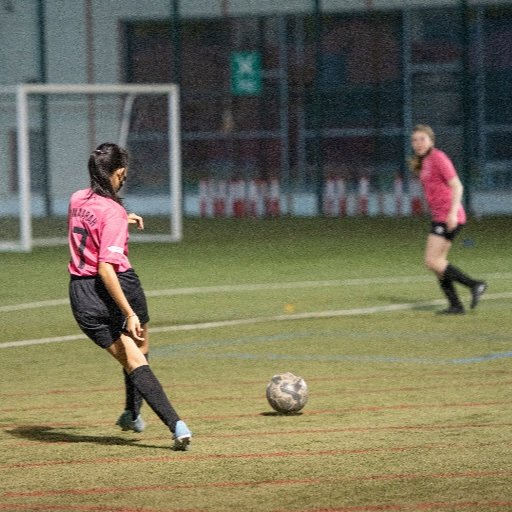
How Can Girls Build Confidence Before A Football Trial?
Being confident before a football trial does not mean you have to hide your nerves. Feeling nervous is normal and often shows that the opportunity matters to you.
The aim is to help the player feel ready to play as she normally does. Nervous players might rush their passes, avoid the ball, or try too hard to impress. Confident players still feel pressure, but they keep playing and stay involved.
We help players by encouraging them to focus on what they can control. Instead of worrying about being selected, they can pay attention to things like:
- Can I ask for the ball?
- Can I scan before receiving?
- Can I make my first pass simple?
- Can I recover quickly after a mistake?
- Can I communicate with my teammates?
- Can I listen when the coach gives instructions?
Coaches notice players who stay focused after setbacks. Everyone makes mistakes during trials, but what matters is how you react. If a player loses the ball and stops, it might look like she has given up. If she loses the ball and quickly tries to win it back, tracks back, or asks for it again, it shows resilience.
What Mistakes Should Players Avoid At Girls Football Trials?
Most mistakes at trials don’t happen because of a lack of skill. They usually come from not being prepared or having the wrong attitude.
You can recover from a bad pass, but it’s much harder to bounce back if you show up late, don’t follow instructions, or act like the session is just about you.
Some common mistakes are:
- Arriving without the correct kit.
- Not knowing the age group or format.
- Trying to dribble past everyone every time.
- Giving up after one mistake.
- Blaming teammates.
- Not listening to coaches.
- Standing still when the ball is far away.
- Playing too safe because of fear.
We want players to show their personality, but not to overdo it. Wingers should take on defenders when it’s the right moment. Defenders should talk to teammates, protect space, and play forward when possible. Midfielders should ask for the ball and help connect the play.
A trial isn’t about trying to do everything. It’s about showing the best version of yourself in your position.
WANT TO KNOW WHAT A FULL ACADEMY PROGRAMME INCLUDES?
Serious players need more than one trial day. Our full-time academy programme includes daily training, UEFA Pro licensed coaching, accommodation, meals, gym access and opportunities to train or trial with Spanish clubs when the player reaches the required level.
View Murcia Football Academy pricing
What Should Players Do After A Girls Football Trial?
After a girls’ football trial, there are usually three possible outcomes. A player might be accepted, not selected, or invited to attend another session.
If a player is accepted, families should look out for the next steps.These can include registration, fees, medical forms, training schedules, safeguarding documents, kit, travel, and education details.
Being asked back is a positive sign, as it shows the coaches want to see more. The player should prepare well, since the second session may focus on consistency.
If a player is not selected, it can be disappointing, but it is not the end of the world. It helps to politely ask for feedback, keep training, and look for the next opportunity.
Response times depend on the club, the number of players, and the trial format. Some academies reply quickly, while others take longer. Families should review the original trial details before sending a polite follow-up email.
What If A Player Does Not Get Selected?
Not being chosen doesn’t mean you can’t get better. Sometimes it’s just a matter of timing, tough competition, a full age group, nerves, or coaches looking for a different style of player.
Now, it’s important to focus on what you can do next.
Keep playing with your club and spend extra time on your technical skills. Work on your fitness, and ask your coaches for feedback. You might want to join a development centre or try a different academy. Playing regular matches will help you build confidence. When you’re ready, try applying again.
Some players just need another six months of focused training to show their true potential. Others might improve with better coaching, more confidence, or extra match experience.
At Murcia Football Academy, we have seen players improve quickly when their environment changes. For example, a player who seems quiet in one place can become confident when she trains every day, understands her role, and gets clear feedback.
How Can Parents Support Girls During Football Trials?
Parents play a key role before, during, and after girls’ football trials.
Before the trial, parents can help by handling registration, travel, kit, food, drinks, and making sure their child understands what to do. During the trial, it’s best to offer calm support from the sidelines instead of commenting on every play. Afterward, parents can help their child think about the experience without turning the car ride into an interview.
Parents should notice their child’s effort, bravery, enjoyment, and learning. Being chosen for the team matters, but it is not the only measure of success.
NOT SURE HOW FOOTBALL TRIALS WORK IN SPAIN?
Trial systems can be different from country to country. Our guide explains how football trials in Spain work, what scouts look for and how players can prepare before joining a club environment.
Read our guide to football trials in Spain
What Are Emerging Talent Centres And ETC Trials?
Emerging Talent Centers, or ETCs, give talented girls a chance to develop their skills in a supportive and organized setting.
England Football launched Girls’ Emerging Talent Centres in 2022 to provide local, high-quality training and make the player pathway easier to access. Thanks to a £6.8 million investment from the Premier League over three years, families can now attend these centres for free.
If you want to join Emerging Talent Centre Trials in 2026, remember that details change every season. For 2026 and later, check the official club, county FA, or England Football websites for up-to-date dates, age groups, deadlines, and eligibility.
ETCs are a good option for players with strong potential who need more development before moving on to an elite academy.
How Do Emerging Talent Centre Trials Help Young Players?
Emerging Talent Centre trials help identify players who might benefit from better coaching, improved training, and a more supportive football environment.
The aim is not only to select players. ETCs help them improve technical skills, make smarter decisions, build confidence, grow physically, and learn more about the game. England Football says ETCs give players extra time to play and train with qualified coaches, try out different formats like futsal and 3v3, and still play for their local club, school, or representative team.
If a player is not selected for an ETC, it does not mean their journey ends. They can continue to develop through grassroots football, private coaching, club teams, academy training, school football, and future trials.
How Does Girls’ Football Development Support Long-Term Progress?
Helping girls build their football skills takes more than just one trial.
A trial is only one moment, but real development is the ongoing process that happens before and after.
Players usually get better with regular coaching, practice, game time, feedback, growing confidence, and support. Some start in grassroots football and move to development centres or academies. Others progress through ETCs, Pro Game Academies, or senior women’s teams. Some choose education-based football, international academy programs, or club trials abroad.
The most important thing is choosing the next step that fits each player’s current level. If a player isn’t ready for a high-level trial, a tougher training program might help. Someone with good technical skills may need to work on tactics. Players who lack confidence often need a place where mistakes are part of learning.
This is why patience matters. At our academy, we focus on long-term growth. Skills like first touch, body shape, movement, and communication may not show big changes after one session, but with months of practice, they can make a real difference in trials.
TRYING TO UNDERSTAND HOW PLAYERS GET SCOUTED?
Getting noticed is not only about one trial. Players need visibility, consistency, match experience and the right football habits. Our scouting guide explains what clubs and scouts usually look for before offering opportunities.
Learn how to get scouted in football
What Makes A Girls Academy Helpful For Player Development?
A good girls academy provides structure with scheduled sessions, experienced coaches, regular feedback, match opportunities, and a safe environment where players can develop confidently.
Players should develop in technical, tactical, physical, and mental areas. They need to learn skills such as passing, dribbling, shooting, thinking on the field, moving, defending, recovering, communicating, and understanding space.
A good academy also supports players’ wellbeing and education. This is especially important for young female players who often juggle school, travel, pressure, physical changes, and building confidence.
At Murcia Football Academy, our program is designed for intensive football development in Spain. Players train with UEFA Pro licensed coaches, receive full board, stay in secure accommodation, use gym facilities, and can train or trial with Spanish clubs if they meet the required level.
Our academy stands out because we combine Spanish football methods, daily training, a residential setup, and real club experience. We believe players should be fully prepared for trials, not just hoping for the best. We support them in every way, so when the opportunity comes, they are ready to show their skills.
Murcia Football Academy welcomes players aged 16 and older. Once enrolled, players start training and can get exposure to Spanish clubs.
What Is The Girls And Women’s Talent Pathway?
The girls’ and women’s talent pathway helps skilled players discover the right chances to grow and improve.
In England, this pathway might include grassroots football, school teams, clubs, Emerging Talent Centres, Pro Game Academies, regional programs, goalkeeping pathways, and youth national teams. England Football says the pathway gives every talented girl a chance to find opportunities that are inclusive, accessible, and relevant.
How far a player goes in the pathway depends on things like their skill, commitment, age group, where they live, what programs are available, their confidence, physical development, and how well they perform over time.
Players and parents should find out about the pathway before choosing which trials to go to. There’s no need to apply for every trial. It’s best to pick the one that fits the player’s level, age, and next step.