
Key Takeaways
- Football warm-up drills prepare you and get your mind ready before matches.
- A good warm-up begins with general movement and then moves into football-specific actions.
- A solid routine usually includes dynamic stretching, some cardio to raise your heart rate, and ball work.
- Fun football warm-up games can boost energy, improve reactions, and keep players interested.
- Coaches should change warm-ups depending on age, weather, player skill level, and the session’s goal.
- Adding structured injury-prevention exercises, such as FIFA-style warm-up elements, helps players get ready safely and effectively.
Table of Contents
Football Warm Up Drills
Football warm-up drills are quick exercises performed before a session to help players prepare to run, pass, turn, press, shoot, and make decisions.
The main goal is to get players ready without tiring them out.
Effective football warm-up drills help raise body temperature, slowly increase heart rate, improve mobility, prepare joints and muscles, sharpen reactions, and reduce the risk of injury before training or a match.
The best football warm-up drills have three main parts:
- Dynamic stretching
- Cardiovascular activation
- Technical ball work
A good warm-up changes pace as it goes. It starts off easy and then becomes more challenging. Coaches should select warm-up drills based on players’ ages, skill levels, and the session’s goal. Beginners may need simple drills they can learn quickly, while a full team preparing for a tactical session might need drills that focus on passing, pressing, possession, or match movements.
Why Do Footballers Need To Warm Up?
Players need to warm up because football often requires quick changes in speed, direction, and intensity.
Within seconds, a player might jog, sprint, turn, jump, pass, shield the ball, and return to position. If their muscles, joints, and nervous system are not prepared, they may feel slow, stiff, or react too late.
A proper warm-up prepares you by getting your body and mind ready in several ways:
It gets your muscles ready to contract with more power and respond more quickly.
It loosens your joints, especially in your hips, knees, ankles, and shoulders, so they move more freely.
It prepares your nervous system, helping you react faster, move with better coordination, and control your body more easily.
It also gets your mind ready, so you can focus, communicate, and make quick decisions.
Warming up helps you feel more confident. If you have already passed, received, scanned, and moved well before the main drill, you begin the session with better rhythm and more self-belief.
Preparing in this way helps you perform better because you are ready both physically and mentally from the beginning. It also helps prevent injuries, since your body is not suddenly forced into sprints, turns, tackles, or jumps without warning. Football is more demanding than ever, so warming up is essential for staying healthy and improving as a player.
What Should Effective Football Warm-Up Drills Include?
A proper football warm-up includes three main parts: dynamic stretching, raising your heart rate, and practicing with the ball.
Start with simple movements to gradually increase your heart rate, such as jogging, skipping, knee lifts, heel digs, side shuffles, and gentle changes in direction. Next, do dynamic stretches and mobility exercises for the hips, groin, hamstrings, ankles, and core.
The final part should feel more like an actual football game. This can involve passing, receiving, dribbling, scanning, turning, pressing, or playing in small groups. Taking these steps helps players move from a general warm-up to football-specific actions, rather than starting intense play right away.
Coaches can save time by combining physical warm-ups with skill practice. For example, a passing drill can also involve moving after the pass, talking to teammates, scanning the field, reacting quickly, and changing direction.
Professional teams often use this step-by-step warm-up because it prepares players both physically and mentally. UEFA’s fitness guidelines also connect injury prevention with safe and effective training, which includes warm-ups, stretching, and cool-downs.
READY TO TRAIN WITH A REAL FOOTBALL ROUTINE IN SPAIN?
Warm-ups are only one part of proper player development. At Murcia Football Academy, we build technical work, physical preparation, match habits and trial readiness into a full training routine for ambitious players.
Join Murcia Football Academy
How Do You Plan A Football Warm Up?
If your session is about passing, include passing, receiving, scanning, and moving after the pass in your warm-up. For pressing, add movement cues, quick reactions, defensive body shape, and communication. When working on dribbling, focus on close touches, turns, changes of direction, and 1v1 actions.
Before you plan a warm-up, consider the players’ ages, size, space, weather, equipment, session theme, match schedule, and how tired they are.
This matters because the warm-up should prepare players for the session. A football warm-up is more than general fitness; it should include football movements, decisions, and actions.
An easy way to build a warm-up is to start with your session goal. For passing, use paired passing, gates, or rondos. For speed, try movement, activation, and short reaction races. For tactical work, use a possession or transition warm-up that connects to your main practice.
Should Warm-Ups Change By Age, Weather, Or Session Type?
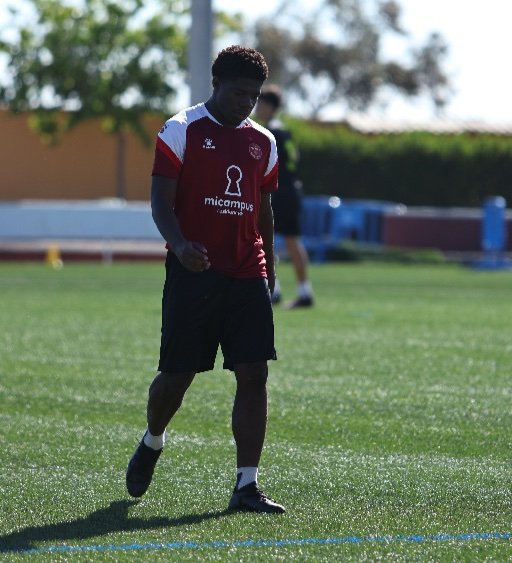
Warm-ups need to change depending on who is playing, what the session aims to achieve, and the conditions on the day.
For players aged 12 to 15, it helps to give clear instructions, keep progressions simple, and make sure activities are fun so they stay interested. According to FIFA’s Training Centre, warm-ups for this age group should include dynamic movements and connect smoothly to the main part of training.
Adults can manage more detailed instructions, a quicker pace, and extra tactical information. Their warm-ups might include drills like pressing triggers, transition games, or movements that match their positions.
Weather matters as well. When it is cold or wet, players often need a longer and slower warm-up before doing faster movements. If the field is wet, coaches should avoid sharp turns, tackles, and quick direction changes at the start. In hot weather, warm-ups should still get players ready, but they should be shorter and controlled so players keep their energy for the session.
The type of session also affects the warm-up. Technical sessions might need more ball work, like passing and receiving. Physical sessions often focus on getting the body moving, working on movement skills, and doing short sprints. Tactical sessions can include rondos, possession games, pressing cues, or movements for specific positions.
At Murcia Football Academy, our coaches change warm-ups based on age and skill level. New players often need a simple routine, while advanced players might start with technical speed, scanning, and tactical details right away.
Which Dynamic Stretching And Movement Warm Ups Work Best Without The Ball?
Most football warm-ups begin with dynamic stretching and movement drills done without the ball. This lets players work on their movement before adding in technical skills.
Dynamic stretching and movement drills prepare the hamstrings, groin, hips, ankles, and core. These muscles are important in football since players constantly accelerate and decelerate, winging down, turning, jumping, and changing direction.
This part of the warm-up should not feel like a fitness test. Instead, it should feel like a gradual build-up. Coaches often begin with simple drills to help players move well before moving on to passing, dribbling, or possession exercises.
Good examples include jogging forward and backward, side shuffles, high knees, heel flicks, carioca, opening and closing the gate, walking lunges, and short sprints.
The main goal is to help players move well before they try to move faster.
What type of football warm-up do you need for your session?
What should the warm-up focus on most?
Solution:
Use a gradual 10 to 15-minute warm-up with jogging, side shuffles, high knees, heel flicks, gate openers, lunge walks, and short controlled accelerations. Keep instructions simple, avoid early sprinting, and focus on helping players move well before adding pressure.
Solution:
Start with simple ball-based games such as Traffic Lights, Sharks and Fishes, King of the Ring, paired passing, and passing gates. This keeps younger or beginner players active while improving coordination, first touch, reactions, confidence, and focus before the main session.
What should the warm-up focus on most?
Solution:
Build a structured warm-up with dynamic mobility, core activation, balance, hamstring and leg strength, landing control, agility, and short accelerations. Add FIFA-style injury-prevention elements so players raise intensity gradually without getting tired before the main work.
Solution:
Use football-specific warm-ups such as 4v2 rondos, receive-and-turn drills, pass-and-follow patterns, pressing gates, transition boxes, and small possession games. This prepares advanced players for scanning, communication, pressing cues, quick decisions, and match-speed actions.
Which Basic Mobility And Activation Exercises Fit This Phase?
Simple exercises work well when they are taught the right way.
A basic routine could include marching on the spot, heel digs, knee lifts, shoulder rolls, and knee bends. These moves are part of the NHS’s simple warm-up advice and are good for beginners before starting football drills.
For football, we often split the warm-up into stages:
- Stage 1 gets players moving by having them march on the spot, jog, do heel digs, and do knee lifts.
- Stage 2 adds dynamic stretches such as leg swings, lunge walks, carioca, and inchworms.
- Stage 3 includes short sprints, skips, and controlled changes of direction.
This approach mixes running and aerobic exercises with strength and flexibility work. It helps players get ready better.
Which Technical Warm-Up Drills With The Ball Sharpen Passing, Dribbling, And Decision-Making?
Including the ball in warm-ups links physical training directly to real football situations.
Warm-up drills work better when players use the ball. Passing, dribbling, receiving, and scanning help them prepare for the actual skills they will use in the session, not just the physical part.
Here are some top football warm-up drills:
- Paired passing: Two players pass the ball to each other and move after each pass.
- Passing gates: Players receive the ball through small cone gates and then turn to move away.
- Rondos: Small groups work to keep possession of the ball while under pressure.
- Slalom dribbling: Players dribble through cones and focus on keeping their touches controlled.
- Pass and follow: Players pass the ball, move to the next cone, and look around before receiving the ball again.
- Receive and turn: Players receive the ball from the side, open their body, and play the ball forward.
These drills are effective because players warm up while making real football decisions. They have to adjust their body position, talk to teammates, scan the field, control the ball, and keep moving.
England Football Learning gives a good example of a receiving warm-up. In this drill, players practice knowing when and how to receive the ball and connect with teammates who have the ball.
WANT TO PREPARE FOR FOOTBALL TRIALS THE RIGHT WAY?
A good warm-up helps you start sharper, but trials demand much more than energy. Learn how our academy prepares players for real club opportunities in Spain through daily training, matches and scouting exposure.
Explore Football Trials In Spain
Which Soccer Warm Up Games Add Competition,Engagement, Reactions, And Intensity?
Football warm-up games get players moving and keep them interested. When the activity feels competitive, players usually put in more effort.
This is especially true for younger players. If the warm-up is boring, they lose focus. But when there is a challenge, points to earn, defenders, or quick reactions, they play with more energy and concentration.
Here are some good football warm-up games:
- Traffic Lights: Players dribble and react to color commands.
- Sharks and Fishes: Players protect their ball while defenders try to steal it.
- King of the Ring: Players try to keep their ball inside a marked area.
- Four Corners: Players listen for the coach’s call and move quickly into open space.
- Relay Races: Players practice running, dribbling, and controlling the ball.
- Tag Games: Players improve their agility, reaction speed, and acceleration.
These football warm-ups are more than just fun. They help players develop coordination, awareness, quick reactions, speed, and decision-making, while keeping their energy high.
Which Football Training Warm Up Drills Fit Different Ages, Levels, And Coaching Goals?
The best football warm-up drill varies depending on the team.
No single warm-up works for everyone. Simple football warm-up drills are best for beginners because they are easy to follow and repeat. Professional warm-ups are more complex, combining physical prep, ball work, and tactics. Adult drills often add more detail, a faster pace, position-specific moves, pressing, and transition exercises.
Here are some examples:
- Youth beginners might do movement games, paired passing, and simple dribbling.
- Teen players can focus on dynamic mobility, rondos, and receiving the ball under pressure.
- Adults often work on activation, position-specific passing, pressing, and transition drills.
- Advanced players usually do tactical warm-ups that connect to the session or match plan.
At Murcia Football Academy, our coaching experience makes a difference. We tailor warm-ups for players of all ages, skill levels, and positions. Instead of copying random drills, we make sure each warm-up fits the player, the group, and the football goal.
BUILD THE FITNESS BASE BEHIND BETTER FOOTBALL
Warm-up drills work best when they are part of a complete player development plan. See how strength, conditioning, recovery and match simulation fit together in a footballer’s weekly routine.
Read Our Soccer Player Workout Plan
Which Easy And Simple Options Work For Beginners?
Easy to learn warm-ups help youth and grassroots players get started right away.
If drills are too complicated, sessions slow down and players may lose focus. Simple warm-ups keep everyone active, build confidence, and let coaches focus on the basics.
Start with movement, then add the ball, and finally introduce a small challenge.
Some good simple football warm-up drills are:
- Jog and change direction on a whistle
- Dribble inside a square without crashing
- Paired passing with two-touch control
- Passing through gates
- 3v1 rondo with low pressure
- Tag game without the ball, then with the ball
Simple drills are still effective. With good coaching, even basic exercises can help players improve posture, balance, first touch, awareness, and confidence before the main session starts.
Which Possession, Pressing, And Transition Warm-Ups Suit Tactical Sessions?
You can design warm-ups to match the main focus of your training session.
If your session is about possession, try using a rondo or a passing square. To work on pressing, set up a small game where players react quickly when the ball changes sides. For transitions, use a game that encourages players to attack fast after they win the ball.
This way, players get a clear idea of the session before the main drill begins, and they can use what they learn right away.
Here are some effective tactical warm-ups:
- 4v2 rondo: helps players improve possession, angles, and their first touch.
- 3v3 plus neutrals: focuses on support play and scanning the field.
- Pressing gates: players press when prompted and then work on getting back into their defensive shape.
- Transition boxes: when a team wins the ball, they quickly move to attack a different zone.
When warm-ups connect to the session, players are usually more engaged and understand better, because they see the purpose of the drill and how it fits into the main practice.
What Does A Sample 15-Minute Football Warm-Up Routine Look Like?
A solid 15-minute routine starts with general movement, then moves to ball work, and finishes with faster-paced competition.
Here’s an easy structure that coaches and players can use or change as needed:
| Time | Focus | Drill Example | Coaching Point |
|---|---|---|---|
| 0-3 minutes | General movement | Jog, side shuffle, high knees, heel flicks | Build gradually, do not sprint early |
| 3-6 minutes | Mobility and activation | Leg swings, lunge walk, carioca, inchworm | Control hips, knees and ankles |
| 6-10 minutes | Technical ball work | Paired passing, passing gates, receive and turn | Scan before receiving |
| 10-13 minutes | Possession or reactions | 4v2 rondo or Traffic Lights | Play sharp, communicate early |
| 13-15 minutes | Final intensity | Short accelerations or transition game | Raise tempo without exhausting players |
This sequence is effective because it shows players each step in order. They start by moving, then get ready, next touch the ball, and finally compete.
LOOKING FOR MORE PRACTICAL FOOTBALL TRAINING IDEAS?
If you want more simple drills, movement tips and player development advice, our football guides cover the topics players and parents ask us about most.
Explore Our Football Training Guides
Which Fifa-Style Injury Prevention Warm-Up Elements Should Soccer Coaches Know?
The FIFA Injury Prevention basic warm up gives coaches a helpful structure to follow. It shows that good preparation is not just about working hard, but also about moving well, staying in control, and building up gradually.
The FIFA 11+ model covers running, core and leg strength, balance, agility, and gradually increasing difficulty. Research from the National Library of Medicine shows that FIFA 11+ was made as a full warm-up, and studies found fewer injuries in training and matches when players used it regularly.
Coaches should understand these elements:
- Running exercises to raise temperature.
- Balance work to improve control.
- Core strength to support movement.
- Hamstring and leg strength to prepare for football demands.
- Plyometrics and landing control for jumping and cutting.
- Agility work for sharper changes of direction.
This does not mean every warm-up needs to last 20 minutes or focus only on injury prevention. Instead, coaches should add some planned prevention exercises to help players get ready and lower injury risk, rather than just doing random running.
Which Common Warm-Up Mistakes Should Soccer Coaches Avoid?
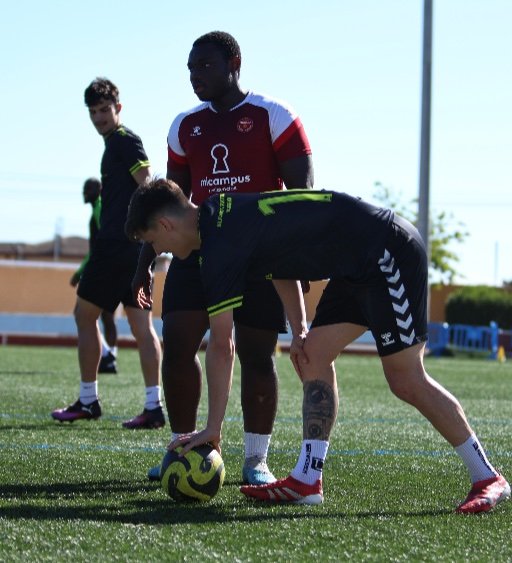
A common mistake is starting the session too fast.
Players shouldn’t go straight from standing still to sprinting. A good warm-up should build up gradually. Another mistake is doing only static stretching before football. Long static stretches are helpful after training or during separate mobility work, but before football, players need movement, activation, and exercises that match the game.
Coaches should watch out for these mistakes:
- Too much waiting around
- Drills that are overly complicated
- Warm-ups that don’t connect to the session’s focus
- Starting off with high-intensity sprints
- Pushing players too hard before the main session
- Not considering the weather or how tired players are
- Repeating the same warm-up every day
- Letting players lose focus mentally
If the warm-up isn’t done well, the start of training can feel messy. Players might lose focus, rhythm, or readiness if they aren’t prepared, are pushed too hard, or aren’t mentally involved.
A well-planned warm-up keeps players safe and helps them perform better. It builds rhythm, energy, and focus, and gets the body ready for the main part of the session.
At Murcia Football Academy, we encourage players to make this a habit. Warming up properly isn’t just a rule from the coach; it’s part of learning to prepare like a serious footballer.