
Key Takeaways
- For most players, TF turf shoes are the safest option for playing on turf.
- AG boots are a good choice for modern infill pitches, as long as you can turn easily and feel comfortable when rotating.
- When picking shoes, start by considering the playing surface, then look at fit, comfort, and durability.
- If you train a lot, it helps to have two pairs of shoes: one TF and one AG.
- If your shoes start to stick when you turn, try switching to a safer option, usually TF.
Table of Contents
What Are The Best Turf Soccer Shoes?
TF or TT (turf) boots have lots of small rubber nubs that help spread out pressure and make it easier to turn. They work best on hard, carpet-like turf and are ideal for players who train often and want steady grip and extra comfort.
AG (artificial grass) boots have molded studs made for modern 3G and 4G turf. They give you more grip but still let you turn safely without getting stuck.
FG (firm ground) boots are designed for natural grass. On turf, they can feel too grippy and may not release well, which can make them wear out faster and raise the risk of injury on hard surfaces.
Before recommending specific models, we sort boots into five groups: Speed, Control, Durability, Budget, and Leather. We then help you pick the right outsole for your playing surface and explain when it makes sense to have two pairs.
How We Rank Shoes: The Academy Checklist
We compare boots based on:
- Traction and release (how safely you can pivot)
- Comfort underfoot (especially on hard surfaces)
- Durability (how well the upper and outsole hold up)
- Touch at speed
- Fit and lockdown (so your heel doesn’t slip)
- Price compared to usefulness
- Red flags (signs of injury risk): hotspots, numbness, and sticky pivots that don’t release.
| Your main pitch | Start with | Why |
|---|---|---|
| Older carpet-style turf | TF | Predictable grip and smoother pivots. |
| Modern 3G/4G infill | AG or TF | AG adds bite; TF adds comfort/release. |
| You play on both | Two pairs | Swap based on pitch + training load. |
| Hard base + legs feel beat up | TF | More forgiving in busy weeks. |
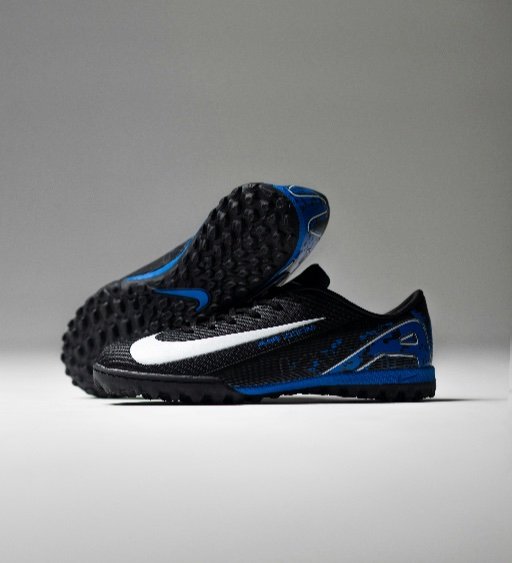
Is Nike Zoom Mercurial Vapor 15/16 Academy TF Best For Speed?
These boots are a great choice for wingers, attackers, and quick-cut players who want a snug, responsive, and lightweight turf shoe that feels good from the first step. Many speed turf shoes also feature a slight toe spring to help you move smoothly during sprints.
Watch-outs:
- Speed-fit shoes can feel narrow, so it’s important to pick the right size and width.
- Shoes with thin uppers might wear out faster, especially if you often drag your toes.
Make them last longer:
- Only use them on turf, not on concrete.
- Keep your nails trimmed. If you tend to drag your toes, consider adding a thin toe-protection patch.
- Rotate between pairs during busy weeks, and let each pair dry out fully between uses.
Is Adidas Predator League TF Best For Control And Strike?
Yes, especially if you focus on passing, set pieces, and striking. Control boots usually have grippy areas for better contact, a stable base, and a firm upper that helps you feel secure when you plant your foot and strike the ball.
Fit notes:
- Choose boots with good midfoot support to keep your foot from sliding when you change direction.
- Many control boots work well for wider feet, but they can feel a bit stiff at first.
- You’ll need a short break-in period before the upper softens up.
Watch-outs:
- These boots don’t give you the most “barefoot” feel, because you trade some of that touch for more structure and stability.
TRAIN IN SPAIN AND STOP GUESSING YOUR DEVELOPMENT
If you want real progress, the biggest upgrade isn’t a boot, it’s a professional routine. Train with our UEFA?licensed coaches in Murcia and get exposure to Spanish clubs.
Is Adidas Copa Mundial Team Best For Classic Comfort And Durability?
If you want comfort for long sessions and a classic, durable design, this type is a good choice. It usually uses thicker materials and stronger construction, so it lasts longer on turf than many thin, speed-focused boots. You also get a softer feel underfoot and cushioned, padded comfort that stays comfortable even after days of use.
This option works well for players who train often, want something reliable, and don’t like boots that wear out quickly.
Keep in mind that these are usually heavier than modern speed models, so you trade some of that light, barefoot feel for more durability and comfort.
Sokito Scudetta AG A Smart Pick For Durability-Focused Players
If you train regularly and your field is hard on boots, pick a pair you can trust. Look for AG boots that can handle weekly use on rough ground.
What to look for:
- Watch for outsole wear, especially on the front and outer edge, during your first few uses.
- If you often drag your toe or play on rough turf, make sure the boots have extra reinforcement at the toe.
- Notice how the boots feel under your feet. Watch out for pressure points on hard surfaces or if you can feel the studs through the sole.
Fit tips:
- If you’re between sizes or have wide feet, go for the option with more room.
- If the upper part of the boot is firm, it may take a little time to break in.
- Wear thin socks for a tighter fit and better hold, or pick thicker socks if you want more comfort and fewer sore spots.
CHECK PRICING AND PROGRAM OPTIONS
If you’re comparing academies, make sure you understand what’s included: training schedule, residence, matches, and trial opportunities.
View program pricing
Mizuno Alpha II Made In Japan AG A Premium Option For Responsive Touch
If you’re looking for a premium feel and a more secure fit, these shoes are a good choice. Their quality build offers smooth comfort, reduces friction in trouble spots, and gives you a steady touch during fast play.
Fit tips:
- Premium uppers might feel tight at first, but they will mold to your foot after a few wears.
- You can expect a short break-in period, especially if the upper is made of leather or the midfoot is firm.
Durability checks (abrasive turf):
- Watch the toe-drag area and front stitching, especially when the shoes are new.
- Check for scuff marks on the outside of the forefoot and see if the sole is coming loose near the toe.
- If you train on rough turf daily, try switching between pairs to help protect the uppers.
Adidas Predator Elite AG For 2G/3G The Right Choice For Aggressive Control
If you want a control boot and play on older, flat artificial pitches like carpet-style or hard base, using the wrong stud pattern can make your boots feel too grippy and put extra strain on your joints. Hard bases do not absorb impact as well as modern 3G or 4G infill, so too much traction can put more stress on your pivots.
A control boot gives you a stable platform when you plant your foot, and the solid feel helps with passing, set pieces, and striking the ball.
Avoid having too much grip on hard bases.
- If the pitch is very hard or you feel stuck when turning, pick a setup that releases more easily, like TF, and avoid the most aggressive stud patterns.
- On very hard bases, TF boots can still be easier on your legs, especially during busy weeks.
Nike Mercurial Vapor 16 Elite AG The Fast-Feeling AG Pick
These are a good option for attackers who want a snug fit, a responsive feel, and a lightweight shoe for modern infill turf, especially if you prefer an AG soleplate.
Pay attention to how easily your foot releases compared to how locked-in it feels.
AG soles can give you extra grip and help you feel secure when accelerating, but on some turf, they might feel too stuck when you pivot. If your turns start to feel sticky or don’t release smoothly, it’s time to change shoes.
Comfort on hard surfaces
On firmer pitches, look for shoes with good cushioning and avoid ones with too much traction. Otherwise, your feet and lower legs might get sore during busy weeks.
When to choose TF instead
If the ground is very hard, the turf is old or flat, or your pivots feel too grabby, switch to TF for a softer feel and smoother turns.
Skechers SKX 2 Elite AG A Serious Alternative To The Big Brands
If you want good value and performance and are open to trying strong alternatives to the top three brands, go for it. When you compare options, pay close attention to fit, traction, and durability.
Test the shoes before you buy them.
- Do three hard sprints.
- Change direction quickly three times.
- Try three sudden stops.
- Afterward, check the toe, outer forefoot, and the edges of the sole for any early signs of wear.
Watch-outs:
If you feel any hotspot in the first 10 minutes, it will probably get worse over time.
WANT A POSITION-SPECIFIC TRAINING FOCUS?
We break down what to train (technical, tactical, physical) based on how you play and what scouts actually notice first.
Read our football guides
Puma Ultra 5 Ultimate AG Built For Acceleration On Artificial Grass
These shoes work well for players who depend on acceleration and making direct runs. They often have a responsive forefoot and a secure fit, which help you move quickly in your first steps. On turf, quick starts and stops can make a big difference in a match.
Traction, release, and stability are even more important in 2026, as more players train and compete on harder artificial surfaces where the wrong outsole can affect comfort, turning speed, and injury risk.You need enough grip to push off quickly, but your foot should also release easily when you pivot to defend. A stable base helps when you plant your foot to change direction at high speed.
Tips for fit and comfort:
These shoes usually fit snugly and keep your midfoot secure. If your feet are wider, consider a more flexible shoe or try a half size up. For harder surfaces, choose shoes with extra cushioning and watch for any early signs of discomfort.
What to watch out for:
If you find it hard to turn smoothly, your shoes might be gripping the turf too much for that field.
Adidas F50 Elite AG A Good Choice For Lightweight Play
If you want your boots to feel light on artificial grass, lightweight options can help you move faster and feel more responsive when you start running. Just keep in mind that these boots often do not last as long, since their thin uppers wear out more quickly.
Who it suits:
These boots work best for players who depend on speed and quick direction changes. Most lightweight models fit snugly or are narrow, so if your feet are wide, try to find a more comfortable shape or adjust your size.
Outsole checks:
Check that the pattern on your artificial grass gives you enough grip without causing your boots to get stuck. You should be able to turn and pivot easily. If the ground feels very hard or your turns are awkward, turf shoes could be a safer and more comfortable option.
Watch-outs:
If you play on rough turf every day, the uppers of your boots will wear out faster.
Mizuno Alpha 2 AG A Balanced AG Option For Comfort And Responsiveness
If you’re looking for a balanced boot, this is a good pick. It’s comfortable for long sessions, has reliable traction that isn’t too sticky, and is durable with a good feel, but nothing over the top. It works well for players who like to do a bit of everything.
Fit notes:
The fit is usually in the middle, not too narrow or too wide. If the upper is more structured, you might need a short break-in period, but it should soften up after a few sessions.
Match it to your turf:
- For modern 3G or 4G turf, AG is often a good choice if you can still turn smoothly.
- On older, harder, or flatter turf, TF is usually the smarter and more comfortable option. This is especially true during busy weeks or if you notice your foot sticking when you turn.
What Type Of Cleats Are Better For Turf?
Most players find TF shoes safest on turf. If you’re sure you’re playing on modern infill and can rotate easily, you can use AG shoes. FG shoes are designed for natural grass, and on turf they often grip too much and don’t release smoothly. This can put knees and ankles at risk, and FG shoes also wear out faster on artificial turf.
Football turf is tested for how much it grips and releases when you turn. The FA recommends a range of 25 to 50 Nm for artificial grass competitions. The shoes you pick matter a lot. A Penn State study showed that rotational traction varied more between different shoes (about 43.8 to 58.6 Nm) than between the turf surfaces tested (about 49.3 to 53.1 Nm).
TF shoes usually feel safer because their small nubs spread pressure across more points. This helps prevent sudden grabbing or sticking and makes it easier to pivot, especially on hard surfaces.
How to quickly tell what kind of turf you’re on.
If you spot rubber pellets you can pick up, you’re on modern infill turf. AG shoes are fine here if you can still turn easily.
If the turf looks like a flat carpet with short fibers, TF shoes are usually the best option.
If the turf feels very hard and you feel the impact in your feet, TF shoes are usually better.
GET YOUR TRIALS PLAN READY IN SPAIN
If your goal is to be seen by Spanish clubs, you need more than highlights. We’ll explain the pathway and what “being ready” looks like.
Learn about football trials in Spain
What You Should Check Before Buying Soccer Cleats
Start by picking shoes that fit the type of field you play on, then consider your position. Make sure the outsole matches the surface: use TF for older carpet-style or hard turf, and AG for modern rubber-infill. Check that your heel stays secure when you stop quickly, your midfoot doesn’t slide during sharp turns, and you have a bit of toe room for fast movements. Look for enough cushioning if you play on hard surfaces, and choose shoes that are durable enough for your style. If you often drag your toe, pick a pair with a tougher upper.
When you check the size, try on your boots with your match socks. Playing on turf involves a lot of stopping, so even slightly tight shoes in the front can get uncomfortable fast. At our Murcia-based academy, players who pick shoes that fit their training turf and switch between pairs during busy weeks stay more comfortable, avoid overuse injuries, and maintain steady performance.
If you want to save money, you can skip premium materials, the lightest shoes, or the newest models. But always make sure you have the right outsole (TF or AG), a secure heel, and good underfoot comfort. To test the fit, do three sprints, three hard stops, and three quick turns. If you notice a hotspot in the first 10 minutes, it will probably get worse after a week.
Do Turf Shoes Improve Football Skills?
Shoes alone won’t make you skilled, but they help you stay focused. When your shoes fit the field, you can rely on your traction. This helps you trust your first step, move confidently, and keep your touch sharp even when the pressure is on.
Good shoes help you move faster, make cleaner cuts in small games, and stop worrying about your feet so you can focus on your decisions. But real progress comes from practicing ball control at game speed, improving your footwork and body control, building balance and single-leg strength, and doing repeat sprints with short breaks.
How Long Do Turf Football Shoes Last?
Most boots last from a few months up to a full season, depending on how rough the field is and how often you train. If you play once or twice a week, your boots should last the whole season. But if you train three to five times a week on rough turf, they might wear out in just a few months.
The first parts to wear out are usually the outsole, where the nubs or studs get flattened, and the inside front of the upper, which can get cuts from dragging your toes. Over time, you might also notice the midsole getting compressed, so the cushioning feels flat, especially on hard fields.
To make your boots last longer, brush out rubber pellets after every session because they can wear down the upper. Stuff your boots with paper and let them air-dry at room temperature. If you train several days in a row, try to rotate between pairs. Replace your boots sooner if you start slipping from worn nubs or studs, or if the midsole feels flat and offers less support.
How Does Proper Footwear Help Injury Prevention On Artificial Turf?
No boot can fully prevent injuries, but we can focus on traction. If your shoes grip the turf too tightly, your foot might get stuck while your body keeps moving, which puts extra stress on your ankle and knee, especially during quick turns and pivots. On artificial surfaces, you want traction that is predictable, releases easily, and gives you a stable base to plant your foot without getting stuck. Research shows that rotational traction is often higher on infill turf than on natural grass, and it can vary widely across different shoe models. So, your choice of footwear is important. Look for shoes that let you rotate smoothly. Keep your warm-up routine consistent by raising your body temperature and gradually increasing intensity. Work on ankle mobility and strengthen your ankles and calves. Add single-leg stability exercises like hinges, split squats, and hops or landings. Replace your shoes when the nubs or studs wear down or the midsole feels flat. If you notice your foot slipping or sticking during pivots, take it as a warning sign.
What type of turf do you play on most?
What matters more to you right now?
Solution:
Go for a TF speed option such as the Nike Zoom Mercurial Vapor Academy TF. On harder or flatter turf, TF is usually the safest choice, and this profile suits wingers, attackers, and players who want quick cuts without overly aggressive traction.
Solution:
Choose a comfort-first TF model or a classic durable option such as the Adidas Copa Mundial Team. On older or harder turf, this setup is more forgiving on your legs and better for players who value cushioning, stability, and reliable everyday use.
What matters more to you right now?
Solution:
Pick an AG speed boot such as the Nike Mercurial Vapor 16 Elite AG or Puma Ultra 5 Ultimate AG. On modern infill turf, AG can give you the extra bite and fast-feeling traction attackers often want, as long as your pivots still release smoothly.
Solution:
Choose a balanced AG option such as the Mizuno Alpha 2 AG, Sokito Scudetta AG, or a control-focused Predator AG. This route fits players who train often on modern turf and want stable traction, dependable comfort, and better durability across the week.